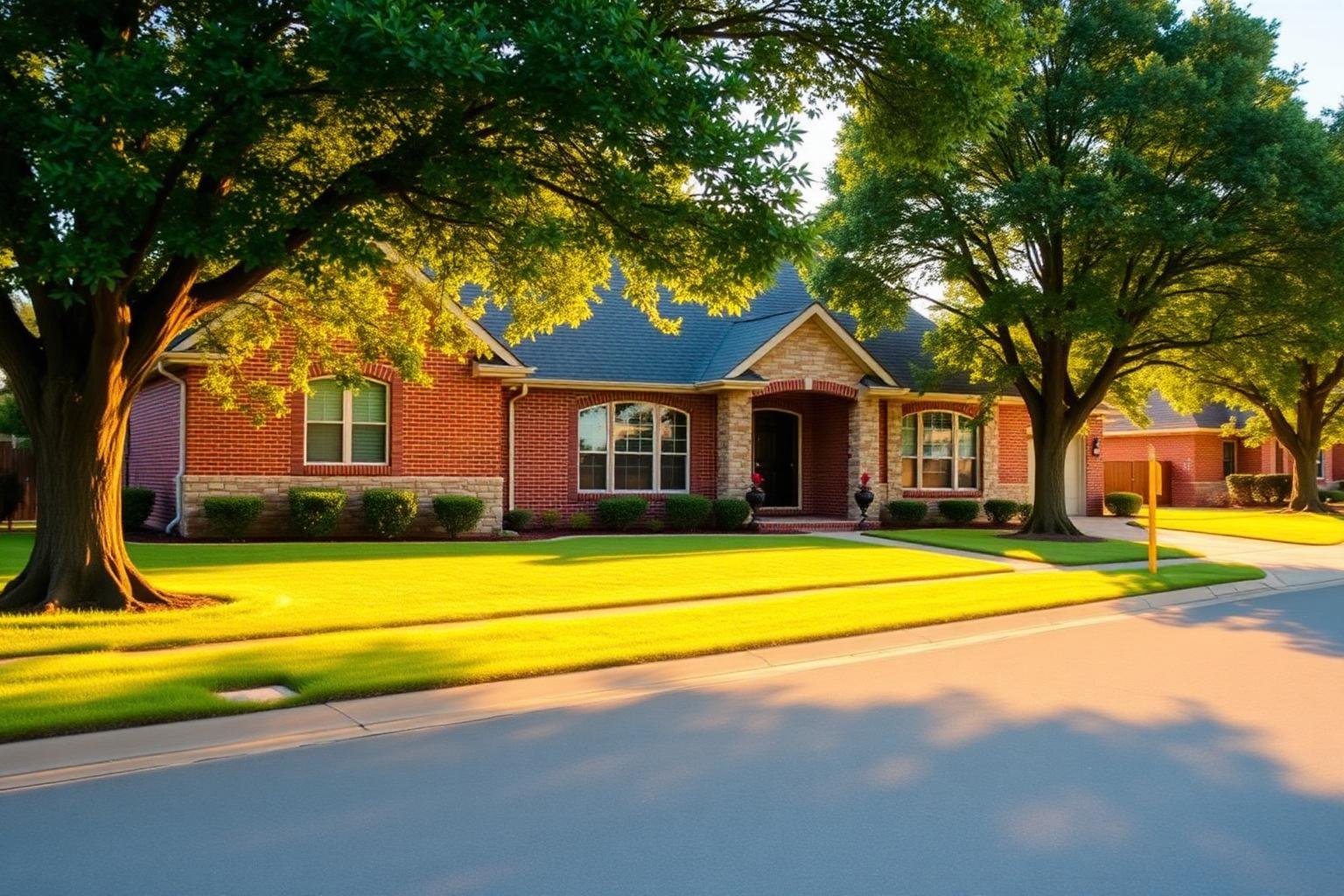
Tag: Tulsa historic homes

  • Eugene Field Tulsa: Stunning Homes, Affordable Living & Essential Things to Know

    Eugene Field Tulsa: Historic Homes, Practical Living, and Remodeling Potential

    Eugene Field Tulsa is a residential neighborhood near central Tulsa known for older homes, mature streetscapes, and a location that puts many parts of the city within reach. For buyers researching Eugene Field homes or homeowners considering updates, the area offers a useful combination of traditional architecture, established lots, and renovation potential without the newer-subdivision layout found in much of the metro.

    Where Is the Eugene Field Neighborhood?

    The Eugene Field neighborhood is located in central Tulsa, near the University of Tulsa and north of the Gathering Place area along Riverside Drive. Its streets connect residents to major routes including East 11th Street, South Harvard Avenue, South Lewis Avenue, and nearby portions of U.S. Route 64. Downtown Tulsa is also a short drive west, while Brookside, Cherry Street, Kendall Whittier, and other established districts are accessible from the surrounding street network.

    The location is one of the neighborhood’s practical advantages. Residents can reach employment centers, cultural attractions, restaurants, parks, and major medical and educational destinations without relying exclusively on long suburban commutes. Route choices vary depending on the destination, but the area’s central position gives homeowners several ways to travel across Tulsa.

    What Living in Eugene Field Tulsa Is Like

    Living in Eugene Field Tulsa generally means choosing an older residential setting rather than a master-planned subdivision. The neighborhood has a traditional street pattern, mature trees, and homes that were built during periods when front porches, separate dining rooms, and defined living spaces were common.

    The atmosphere can vary from block to block. Some streets feature carefully maintained historic houses, while others include properties that need cosmetic work or larger repairs. That variety is important for buyers. Eugene Field real estate may include move-in-ready homes, partially renovated properties, and houses where the condition and systems require a more detailed evaluation.

    The neighborhood can appeal to homeowners who value:

    – Older architectural details and established landscaping
    – Larger or more distinctive lots than those found in many newer developments
    – Proximity to central Tulsa destinations
    – Opportunities to personalize a home through renovation
    – A residential setting near urban amenities

    As with any older Tulsa neighborhood, property condition can differ significantly between individual homes. Foundation performance, drainage, roofing, electrical systems, plumbing, insulation, and previous remodeling work all deserve attention during the buying process.

    Eugene Field Homes: Styles, Layouts, and Features

    Many Eugene Field homes reflect early- to mid-20th-century residential construction. Common characteristics may include traditional cottages, bungalows, American Foursquare-influenced designs, and other wood-frame or masonry homes with distinct front elevations. Some properties have brick or stone detailing, covered porches, original trim, hardwood flooring, and formal room arrangements.

    Typical layouts may include:

    – Separate living and dining rooms
    – Compact kitchens with limited cabinet and counter space
    – Two or three bedrooms
    – One or more bathrooms added or updated over time
    – Enclosed porches, rear additions, or converted spaces
    – Detached garages, carports, or alley-access parking

    Older homes often provide more architectural identity than recently built houses, but they may not match current expectations for open kitchens, large closets, laundry rooms, or spacious primary bathrooms. In some cases, a home’s original floor plan can be adapted without removing its defining features. A wide doorway, built-in cabinet, fireplace, or original woodwork may become a focal point in a modernized interior.

    Lot sizes also vary. Some homes have generous backyards suited to patios, gardens, or additions, while others use smaller urban lots with detached garages and established landscaping. Buyers interested in expanding should consider setbacks, utility locations, drainage, and the relationship between the existing home and available yard space.

    Nearby Parks, Districts, and Daily Destinations

    Eugene Field’s central Tulsa location provides access to several recognizable destinations. The Gathering Place, along Riverside Drive, offers trails, gardens, playgrounds, recreational areas, and riverfront space. Woodward Park is also nearby, with formal gardens and walking areas that contribute to the character of the surrounding central Tulsa area.

    Residents can reach shopping and dining in districts such as Brookside, Cherry Street, and Kendall Whittier. Downtown Tulsa provides offices, museums, entertainment venues, restaurants, and events, while the University of Tulsa adds an important nearby campus and cultural presence.

    The neighborhood is also positioned near larger roads used to travel toward other parts of the metro. Depending on the route, drivers can connect to the Broken Arrow Expressway, Interstate 244, and other major corridors. Public transportation options and walkability can vary by street and destination, so daily routines should be considered on a property-by-property basis.

    Homeownership Considerations in an Established Tulsa Neighborhood

    Purchasing an older home involves more than comparing bedrooms and square footage. A useful evaluation of Eugene Field real estate includes both visible features and less obvious construction concerns.

    Important areas to review include:

    – Electrical panels, wiring, and outlet capacity
    – Supply lines, drain lines, and sewer performance
    – Roof age and attic ventilation
    – Crawl spaces, basements, drainage, and foundation conditions
    – Window performance and insulation
    – Water intrusion around porches, additions, and exterior walls
    – Previous renovations and whether major work was completed properly

    Older kitchens and bathrooms are often functional but undersized by modern standards. Storage may be limited, and laundry areas may occupy a closet, porch, basement, or utility room. These constraints do not necessarily make a home unsuitable; they can help identify the improvements that will have the greatest effect on everyday use.

    Homeowners should also think about long-term maintenance. Mature trees can add shade and character but may require pruning and monitoring. Detached garages and older outbuildings may need roof, siding, electrical, or structural work. Exterior paint, masonry repairs, drainage improvements, and energy upgrades can be as important as interior finishes.

    Remodeling Opportunities in Eugene Field Tulsa

    Remodeling is a natural consideration for many Eugene Field homeowners because the neighborhood’s houses often have a strong architectural foundation but outdated layouts or systems. Updating an older property can preserve its original character while making it more comfortable for current use.

    Kitchen and Floor Plan Updates

    Kitchen remodeling may involve more than replacing cabinets and countertops. Many older kitchens benefit from improved circulation, better lighting, additional storage, and a more efficient connection to the dining or living room. Depending on the structure, a project might include a partial opening between rooms rather than removing an entire wall.

    Useful improvements can include:

    – Custom cabinetry that uses narrow or irregular spaces
    – Pantry storage and built-in shelving
    – Improved ventilation and electrical capacity
    – Durable flooring that connects adjoining rooms
    – A layout that accommodates modern appliances without overwhelming the home

    Bathroom, Addition, and Accessibility Projects

    Older Eugene Field homes may have limited bathroom space, making bathroom remodeling a high-impact project. Homeowners may add a second bathroom, enlarge an existing one, improve ventilation, or replace inefficient fixtures and finishes.

    An addition can provide room for a larger primary suite, home office, laundry area, or family room. On a smaller lot, careful planning is essential so the new space does not eliminate useful outdoor areas or create drainage problems. Some homeowners may also prioritize aging-in-place improvements such as wider doorways, curbless showers, better lighting, and more accessible storage.

    Castle Remodels serves homeowners throughout the Greater Tulsa area and can help evaluate how a kitchen remodel, bathroom update, addition, or broader renovation might fit the existing home. The best approach depends on the property’s structure, original details, budget, and intended use.

    Is Eugene Field a Good Fit for Your Home Search?

    Eugene Field Tulsa may suit buyers who want an established central Tulsa setting and are comfortable evaluating older construction. The neighborhood offers architectural variety, access to major destinations, and homes with room for thoughtful improvements. For current owners, remodeling can provide a way to address outdated spaces while retaining the character that attracted them to the area.

    If you are considering a kitchen remodel, bathroom remodel, home addition, or whole-home renovation in Eugene Field, contact Castle Remodels to discuss your project and explore a practical plan for your Tulsa home.

  • Crutchfield Tulsa: Stunning Homes, Amenities & Effortless Living Guide

    Crutchfield Tulsa: Historic Homes, Neighborhood Character, and Remodeling Possibilities

    Crutchfield Tulsa is a residential neighborhood in north-central Tulsa known for its older homes, mature streetscapes, and location near several of the city’s established districts. For buyers, homeowners, and anyone researching Tulsa housing, the Crutchfield neighborhood offers a look at a traditional urban setting where original architectural details and modern renovation goals often come together.

    Getting to Know Crutchfield Tulsa

    Crutchfield is located north of downtown Tulsa, near the Pearl District and other central-city neighborhoods. Its streets connect residents to major routes including East Admiral Boulevard, North Harvard Avenue, North Peoria Avenue, and Interstate 244. Downtown Tulsa, the Tulsa Arts District, and the University of Tulsa area are also within the broader central-city network.

    The neighborhood’s location is one of its practical advantages. Residents can reach employment centers, cultural destinations, medical facilities, restaurants, and shopping areas without living in a newer suburban subdivision. Access to nearby arterial streets also makes it easier to travel across Tulsa, although traffic patterns and road conditions can vary depending on the route and time of day.

    Crutchfield has a traditional residential layout rather than the master-planned design common in newer developments. Streets are generally lined with established trees and older detached homes, with a visual character shaped by decades of construction, remodeling, and changing ownership.

    What Crutchfield Homes Are Like

    Crutchfield homes reflect the age and development patterns of central Tulsa. Many properties feature early- to mid-20th-century construction, with designs that may include Craftsman influences, traditional American layouts, modest bungalows, and other period-specific details.

    Common characteristics can include:

    – Front porches or covered entryways
    – Wood, brick, or mixed exterior materials
    – Original hardwood flooring
    – Separate living and dining rooms
    – Smaller kitchens compared with modern homes
    – Detached garages or rear parking areas
    – Mature landscaping and established lots
    – Attics, basements, or enclosed porches that may offer renovation potential

    The exact condition and layout of each property can differ substantially. Some Crutchfield homes may retain original trim, doors, windows, built-ins, and millwork. Others may have already received updates to kitchens, bathrooms, roofing, electrical systems, or mechanical equipment.

    For buyers, this variety is an important part of evaluating Crutchfield real estate. A home with preserved architectural features may require different work than a property that has already undergone several renovations. Inspection findings, foundation condition, plumbing, wiring, insulation, drainage, and roof age can all influence the ownership experience.

    The Experience of Living in Crutchfield Tulsa

    Living in Crutchfield Tulsa generally means choosing an older urban neighborhood with access to the broader central Tulsa area. The setting may appeal to homeowners who prefer established streets, individual homes, and proximity to downtown over newer construction farther from the city center.

    The neighborhood is also close to destinations that make central Tulsa appealing. Nearby areas include the Pearl District, the Tulsa Arts District, downtown entertainment venues, and the University of Tulsa campus. Residents can also access local restaurants, coffee shops, retailers, and services along nearby commercial corridors.

    Outdoor options are available throughout the surrounding area. Guthrie Green and other downtown public spaces provide places for events and seasonal activities, while larger parks such as Mohawk Park and the Tulsa Zoo are accessible by car for broader recreation. The Arkansas River, Gathering Place, and riverfront trails are also important destinations for Tulsa residents, though they are outside the immediate neighborhood.

    Because Crutchfield is part of an older city environment, the experience is shaped by existing infrastructure rather than uniform new development. Sidewalk conditions, street improvements, parking arrangements, and utility systems may vary from block to block and property to property.

    Shopping, Dining, and Nearby Destinations

    Crutchfield residents are close to several of Tulsa’s most recognizable central destinations. Downtown offers offices, museums, music venues, restaurants, public events, and the Tulsa Performing Arts Center. The Tulsa Arts District adds galleries, entertainment venues, and dining options north of downtown.

    The Pearl District, east of downtown, has its own collection of restaurants, bars, local businesses, and renovated commercial spaces. Brookside and Cherry Street are farther south but remain accessible through Tulsa’s street network and provide additional dining, shopping, and service options.

    For everyday needs, homeowners typically rely on commercial corridors along major streets rather than a single retail center within the neighborhood. That arrangement can be useful for accessing different parts of the city, but it also means most errands are likely to involve driving.

    Homeownership Considerations in an Established Neighborhood

    Older Crutchfield homes can offer architectural character and renovation flexibility, but ownership requires attention to the realities of aging construction. Systems that may need evaluation include:

    – Electrical panels and wiring
    – Supply and drain plumbing
    – Roof structure and coverings
    – Heating and cooling equipment
    – Foundation and crawl-space conditions
    – Windows, insulation, and air sealing
    – Grading and stormwater drainage
    – Exterior paint, siding, masonry, and trim

    A renovation plan should account for both visible finishes and the infrastructure behind them. Updating a kitchen, for example, may reveal the need for electrical upgrades, plumbing relocation, subfloor repairs, or improved ventilation. Bathroom renovations can involve similar coordination, particularly in homes with older plumbing layouts.

    At the same time, established homes often provide opportunities that newer houses do not. Original doors, floors, trim, and room proportions can become defining features of a remodel when preserved thoughtfully.

    Remodeling Opportunities for Crutchfield Homes

    Updating Older Layouts Without Losing Their Character

    Remodeling homes in Crutchfield often involves balancing modern function with the architectural qualities that attracted the homeowner in the first place. A renovation does not have to remove every traditional feature to improve comfort and usability.

    Kitchen remodeling is a common option for homeowners who need better storage, improved lighting, updated appliances, or a more workable connection between the kitchen and dining areas. Depending on the structure, a project might include opening a doorway, reconfiguring cabinets, adding an island, or improving access to a back entry.

    Bathroom remodeling can address outdated fixtures, limited storage, poor ventilation, and accessibility concerns. A carefully planned bathroom renovation may also improve lighting, expand a shower, or create more practical circulation without requiring a major addition.

    Other projects that may suit Crutchfield homes include:

    – Converting an enclosed porch into usable interior space
    – Improving attic or basement storage
    – Creating a primary suite within an existing footprint
    – Adding a rear extension for a larger kitchen or family room
    – Reworking inefficient room connections
    – Installing built-in storage
    – Making entrances, bathrooms, and hallways easier to navigate
    – Completing a whole-home renovation in stages

    Some homeowners choose to update rather than move because they value the property’s location, lot, mature landscaping, or original details. Renovation can also provide a way to solve specific layout problems while preserving the parts of the home that already work well.

    Castle Remodels serves homeowners throughout the Greater Tulsa area, including those planning kitchen renovations, bathroom upgrades, additions, and larger whole-home projects. A design-build conversation can help clarify which improvements are realistic for the home’s structure, budget, and long-term use.

    Is Crutchfield Right for You?

    Crutchfield Tulsa may suit homeowners who appreciate older architecture, central-city access, and the possibility of shaping a home over time. The neighborhood is less about uniform floor plans and more about individual properties, established streets, and the decisions each owner makes through maintenance and renovation.

    For anyone exploring Crutchfield real estate, the most important step is evaluating each home on its own condition, layout, systems, and improvement potential. With the right plan, a dated or undersized property can become a more functional home while retaining the qualities that make the neighborhood distinct.

    If you are considering a kitchen remodel, bathroom remodel, home addition, or larger renovation in Crutchfield Tulsa, contact Castle Remodels to discuss your project and explore the next steps.

  • Crosbie Heights Tulsa: The Ultimate Guide to Effortless Neighborhood Living

    Crosbie Heights Tulsa: A Practical Guide to Effortless Neighborhood Living

    Crosbie Heights Tulsa is a residential neighborhood near the University of Tulsa and the Kendall Whittier area, offering a mix of older homes, mature streets, and access to some of the city’s most recognizable east-central destinations. For buyers, homeowners, and remodeling-minded residents, the Crosbie Heights neighborhood is worth understanding for its housing character, location, and potential for thoughtful updates.

    Getting to Know Crosbie Heights

    Crosbie Heights is located in east-central Tulsa, generally west of Harvard Avenue and near East Admiral Boulevard, with the University of Tulsa campus to the south. Its location places residents within reach of downtown Tulsa, the Pearl District, Kendall Whittier, and major east-west routes across the city.

    The neighborhood has a traditional residential feel rather than the layout of a newer suburban development. Streets are lined with established homes and mature trees, and the area reflects the architectural variety commonly found in older Tulsa neighborhoods. Exact boundaries may vary by map or local real estate listing, but the neighborhood is commonly associated with the residential blocks surrounding the university and Admiral corridor.

    Living in Crosbie Heights Tulsa can appeal to people who prefer a central city location and a home with more individual character than a recently built subdivision typically provides. At the same time, older housing means buyers should pay close attention to condition, improvements, and long-term maintenance needs.

    What Homes Are Like in the Area

    Crosbie Heights homes generally include older detached houses built during Tulsa’s early and mid-20th-century growth. Depending on the block, buyers may encounter traditional cottages, bungalows, ranch-style homes, and other period designs.

    Common features may include:

    – One-story layouts with compact or moderately sized floor plans
    – Original wood or masonry construction
    – Hardwood floors beneath later flooring
    – Front porches, covered entries, or simple architectural detailing
    – Mature lots with established landscaping
    – Detached garages, carports, or limited off-street parking
    – Kitchens and bathrooms that may not match current preferences

    Many older homes were designed around smaller rooms and more defined spaces. That layout can provide separation between living areas, but it may also create challenges for homeowners who want a large kitchen, open entertaining area, or more flexible storage.

    The appeal of Crosbie Heights real estate often comes from the combination of location and potential. A home may have a solid structure, a useful lot, and attractive original details while still needing updates to kitchens, bathrooms, electrical systems, windows, insulation, or mechanical components.

    Transportation and Nearby Destinations

    East Admiral Boulevard and Harvard Avenue are important nearby routes, while Utica Avenue, Lewis Avenue, and 11th Street provide additional connections through central and east Tulsa. Interstate 244 is also accessible from the broader area, linking residents with downtown, north Tulsa, and eastern parts of the metro.

    The University of Tulsa is one of the neighborhood’s most recognizable nearby destinations. Its campus, athletic facilities, and surrounding streets contribute to the area’s local identity. The neighborhood is also close to Kendall Whittier, where residents can find locally owned restaurants, coffee shops, galleries, and retail destinations along the Peoria Avenue corridor.

    Downtown Tulsa is a short drive to the west, with access to the BOK Center, Tulsa Arts District, Guthrie Green, the Woody Guthrie Center, and other cultural and entertainment venues. The Pearl District, south of the university area, adds restaurants, neighborhood businesses, and additional redevelopment activity.

    For outdoor recreation, nearby options include Gathering Place along Riverside Drive and parks in the surrounding Tulsa park system. The best destination depends on the activity, but Crosbie Heights residents have access to urban trails, green spaces, sports facilities, and cultural attractions without living in a suburban setting.

    The Day-to-Day Experience

    The Crosbie Heights neighborhood is primarily residential, but its proximity to university, commercial, and cultural districts gives it a more connected urban routine. Residents may drive for most errands, while some nearby destinations can be reached by walking or cycling depending on the exact location of the home.

    The neighborhood’s older streets and varied houses create a sense of visual difference from block to block. One home may have original detailing and a traditional floor plan, while another may reflect several generations of remodeling. That variation is important for buyers comparing Crosbie Heights homes: condition and improvements can differ substantially even between properties that are close together.

    Homeowners should also consider practical factors such as driveway configuration, garage size, drainage, foundation condition, roof age, and the amount of storage available. These details can influence both the everyday experience and the scope of future renovation work.

    Homeownership Considerations for Older Houses

    Purchasing an established home is different from buying new construction. A professional inspection can help identify issues that are not obvious during a showing, but homeowners should also think about how the house functions for their needs.

    Important areas to evaluate include:

    – Plumbing and electrical updates
    – Heating and cooling equipment
    – Foundation and crawl-space conditions
    – Roof, siding, windows, and exterior trim
    – Attic insulation and ventilation
    – Kitchen and bathroom layouts
    – Garage access and storage
    – Water management around the foundation

    Older homes can be excellent candidates for renovation, but not every improvement should be treated as a cosmetic project. A kitchen update may reveal outdated wiring or plumbing. Removing a wall may require structural planning. Replacing windows or improving insulation may affect comfort as much as appearance.

    Planning these details together is usually more effective than completing disconnected upgrades over time.

    Remodeling Opportunities in Crosbie Heights Tulsa

    Updating Character Without Losing Function

    Remodeling in Crosbie Heights Tulsa often involves balancing original character with modern living requirements. Homeowners may want to preserve hardwood floors, trim, doors, or porch details while improving the kitchen, bathrooms, storage, and overall flow.

    Kitchen remodeling is one of the most practical ways to improve an older home. A renovation might include better cabinet storage, updated lighting, durable countertops, improved circulation, and a layout that works for everyday cooking. In some homes, opening part of the kitchen to an adjacent dining or living area can make the house feel larger without removing all of its original room separation.

    Bathroom remodeling can address aging fixtures, inefficient layouts, limited ventilation, and outdated finishes. A well-planned renovation may add a larger shower, improve accessibility, increase storage, or create a more comfortable primary bathroom while respecting the proportions of the existing house.

    Other projects that may suit Crosbie Heights homes include:

    – Reconfiguring narrow or disconnected floor plans
    – Adding a primary suite or expanding an existing bedroom
    – Converting underused space into an office or laundry area
    – Improving closets and built-in storage
    – Creating a more functional mudroom or entry
    – Updating finishes throughout multiple rooms
    – Adding space through a carefully designed home addition
    – Incorporating aging-in-place features such as wider clearances and accessible showers

    Some homeowners choose to renovate rather than move because they already value the location, lot, mature setting, and architectural details of their property. A remodel can also address several limitations at once, creating a home that better matches current routines without giving up the neighborhood.

    Castle Remodels serves homeowners throughout the Greater Tulsa area, including those planning kitchen remodels, bathroom renovations, additions, and larger whole-home improvements. For an established home in Crosbie Heights, the most successful project usually begins with a clear understanding of the existing structure, the desired lifestyle changes, and the improvements that will provide lasting daily value.

    Is Crosbie Heights Right for You?

    Crosbie Heights may be a strong fit for buyers who want an older Tulsa home near the University of Tulsa, Kendall Whittier, downtown, and other east-central destinations. It is especially relevant for people who appreciate established neighborhoods, distinctive house styles, and the opportunity to improve a property over time.

    The tradeoff is that older homes require careful evaluation and realistic planning. Buyers should look beyond surface finishes to understand how the home has been maintained and what changes may be needed.

    For current homeowners, the neighborhood’s location and housing character can make renovation a practical alternative to relocating. If you are considering a kitchen remodel, bathroom remodel, home addition, or larger renovation in Crosbie Heights Tulsa, contact Castle Remodels to discuss your project and develop a plan suited to your home.

  • Booker T. Washington Tulsa: Stunning Homes and Effortless Neighborhood Living Guide

    Booker T. Washington Tulsa: Stunning Homes and Effortless Neighborhood Living Guide

    Booker T. Washington Tulsa: A Practical Guide to Homes and Neighborhood Living

    Booker T. Washington Tulsa refers to a historic residential area near Tulsa’s northern downtown and Greenwood districts. For buyers, current homeowners, and anyone researching renovation possibilities, the neighborhood offers a closer look at older Tulsa housing, compact urban lots, and the advantages of living near major destinations without moving to a suburban subdivision.

    Getting to Know the Booker T. Washington Neighborhood

    The Booker T. Washington neighborhood is associated with the area around Booker T. Washington High School and north of downtown Tulsa. It sits near important city corridors, including North Cincinnati Avenue, North Peoria Avenue, East Pine Street, and East Apache Street. Its location also places residents within reach of downtown, the Greenwood District, the Tulsa Arts District, and the Pearl District.

    This is an urban Tulsa neighborhood rather than a master-planned development with uniform streetscapes or one builder’s home designs. The surrounding housing reflects different construction periods, renovations, and individual property histories. That variation is part of what makes researching Booker T. Washington real estate different from comparing newer homes in communities such as Bixby, Jenks, or Broken Arrow.

    Living in Booker T. Washington Tulsa can appeal to people who value proximity to central Tulsa, older homes with individual character, and access to established city streets and services. At the same time, buyers should approach each property on its own merits. Conditions can vary from one block or house to the next, particularly in an area with older construction.

    What Booker T. Washington Homes Are Like

    Many Booker T. Washington homes are older single-family properties with layouts and construction details that differ from newer Tulsa-area housing. Depending on the block, buyers may encounter modest one-story homes, traditional two-story houses, cottages, and properties that have undergone partial or full renovation.

    Common characteristics may include:

    – Compact or moderately sized floor plans
    – Older kitchens and bathrooms
    – Original wood flooring or trim
    – Smaller bedrooms compared with newer construction
    – Detached garages, carports, or limited off-street parking
    – Mature trees and established landscaping
    – Lots that are smaller and more urban than those in newer subdivisions

    Older homes often have details that are difficult to reproduce, such as solid wood doors, plaster accents, built-in storage, and distinctive rooflines. They may also have less efficient mechanical systems, limited closet space, dated electrical components, or plumbing that needs attention. A professional inspection is especially important when evaluating an older property.

    For buyers, the main question is often whether the home’s location and underlying structure support the desired lifestyle. A smaller house may still work well after thoughtful improvements to the kitchen, storage, lighting, or floor plan.

    Transportation and Nearby Tulsa Destinations

    One of the practical advantages of Booker T. Washington Tulsa is its access to central city roads. North Peoria Avenue and North Cincinnati Avenue connect the neighborhood with downtown and north Tulsa, while Pine Street and Apache Street provide east-west routes. Interstate 244 is also nearby, providing connections across the Tulsa metropolitan area.

    Downtown Tulsa is close enough to make its offices, restaurants, events, and cultural attractions part of the neighborhood’s broader setting. The Greenwood District, Tulsa Arts District, Brady District, and Historic Route 66 corridors are also within the central Tulsa area.

    Residents can reach a range of shopping and daily-service options along nearby commercial streets, while larger retail centers are available elsewhere in Tulsa. Outdoor destinations include the Arkansas River trail system and city parks located throughout the central and north Tulsa areas. The exact convenience of each destination depends on the home’s location and preferred route, but the neighborhood’s urban setting puts more of Tulsa within reach than many outlying communities.

    Booker T. Washington High School is a major local landmark and an important part of the area’s identity. As with any property search, school attendance boundaries and enrollment information should be considered separately from the neighborhood name.

    Homeownership Considerations in an Established Area

    Owning one of the Booker T. Washington homes can offer the opportunity to shape an older property over time. It can also require more planning than purchasing a recently built house. A buyer may need to budget for improvements that are not obvious during a quick showing, including:

    – Roof, foundation, or drainage work
    – Electrical and plumbing updates
    – Heating and cooling replacement
    – Insulation and energy-efficiency improvements
    – Window restoration or replacement
    – Exterior painting and siding repairs
    – Kitchen and bathroom modernization

    Older Tulsa homes often benefit from a phased approach. Addressing water intrusion, structural concerns, electrical hazards, and major mechanical systems should generally come before cosmetic work. Once the home is sound, remodeling can focus on comfort, function, and design.

    Lot limitations can also affect project planning. An addition may be possible, but setbacks, access, drainage, parking, and the existing roofline all influence the design. In some cases, improving the current footprint is more practical than expanding outward.

    Why Remodeling Can Make Sense

    Moving is not always the best solution when a home’s location works but its interior does not. Homeowners living in Booker T. Washington Tulsa may choose to remodel because they want to preserve the neighborhood setting while making the house more functional.

    A well-planned renovation can improve daily life through:

    – A more open kitchen and dining arrangement
    – Additional counter space and storage
    – Updated bathrooms with better ventilation and accessibility
    – A larger primary bedroom or improved suite
    – Laundry relocation or utility-room upgrades
    – Better lighting and electrical access
    – Built-in storage for compact floor plans
    – Improved insulation, windows, and interior comfort

    Older homes can present an opportunity to combine original features with modern performance. For example, existing trim or flooring may be restored while the kitchen, lighting, appliances, and mechanical systems are updated. This approach can retain the home’s identity without requiring homeowners to accept an outdated layout.

    Remodeling Booker T. Washington Homes

    Remodeling in the Booker T. Washington neighborhood should begin with the home’s structure, age, and existing layout. A kitchen remodel may involve more than replacing cabinets if walls, plumbing, electrical service, or floor levels need to be addressed. Bathroom renovations may uncover outdated supply lines, ventilation issues, or subfloor damage that should be corrected as part of the project.

    For homes with compact or separated rooms, reconfiguring the floor plan can create a more useful connection between the kitchen, dining area, and living room. Additions may provide space for a primary suite, office, laundry room, or family area, although the design must respond carefully to the lot and the original architecture.

    Castle Remodels serves homeowners throughout the Greater Tulsa area, including those considering improvements to older central Tulsa properties. Whether the project involves a kitchen remodel, bathroom remodel, addition, or larger whole-home renovation, the right planning process can align the design with the home’s existing character and the homeowner’s long-term goals.

    Final Thoughts on Living in Booker T. Washington Tulsa

    Booker T. Washington Tulsa offers an urban residential setting with older homes, varied architecture, and access to downtown-area destinations. Buyers should evaluate each property’s condition, layout, systems, and renovation potential rather than relying only on general neighborhood impressions. For homeowners who like their location but need more space, storage, or modern function, remodeling can be a practical alternative to moving.

    If you are considering a kitchen remodel, bathroom renovation, home addition, or larger update in Booker T. Washington or elsewhere in Greater Tulsa, contact Castle Remodels to discuss your project.