Tag: South Tulsa neighborhoods

  • Crystal Creek Tulsa: The Ultimate Guide to Effortless Neighborhood Living

    Crystal Creek Tulsa: A Practical Guide to Comfortable Neighborhood Living

    Crystal Creek Tulsa is a residential neighborhood in south Tulsa known for its established homes, traditional streetscapes, and convenient access to major roads, shopping, parks, and everyday services. For buyers researching the Crystal Creek neighborhood—or homeowners considering an update—understanding the area’s housing patterns and location can make it easier to evaluate both a property and its long-term potential.

    Getting to Know Crystal Creek

    Crystal Creek is located in the south Tulsa area, near the broader residential districts around East 101st Street, South Yale Avenue, and South Sheridan Road. The neighborhood’s location places residents within reach of major east-west and north-south routes, including East 101st Street, East 91st Street, South Yale Avenue, and South Sheridan Road.

    Nearby access to U.S. Highway 169 also helps connect the area with other parts of Tulsa and the surrounding metro. Depending on the destination, residents can reach employment centers, shopping corridors, medical services, and entertainment areas without relying on neighborhood streets for every trip.

    The setting is primarily residential, with a more settled suburban feel than the denser commercial areas along nearby major roads. Many people researching living in Crystal Creek Tulsa are comparing established neighborhoods where the appeal comes from location, mature surroundings, and homes with room for personalization.

    What Living in Crystal Creek Tulsa Is Like

    The Crystal Creek neighborhood is made up largely of single-family residences arranged along interior streets and cul-de-sacs. Its character comes from a combination of established landscaping, conventional suburban layouts, and homes built during a period when larger common areas and separate rooms were typical.

    Residents have convenient access to retail and services along the South Yale Avenue and South Memorial Drive corridors. Woodland Hills Mall and nearby commercial areas provide shopping, restaurants, personal services, and other routine destinations. The neighborhood is also within reach of recreational options such as LaFortune Park, which includes walking areas, golf facilities, tennis amenities, and open space.

    South Tulsa’s network of roads makes it practical to reach other parts of the city, including the Brookside area, central Tulsa, and business districts farther south. The specific convenience of any home will depend on its position within the neighborhood, traffic conditions, and the owner’s regular destinations, but the surrounding road system is an important part of Crystal Creek’s appeal.

    Crystal Creek Homes: Common Features and Layouts

    Many Crystal Creek homes reflect late-twentieth-century suburban design. Buyers may encounter brick or brick-accented exteriors, pitched roofs, attached garages, defined front entries, and traditional interior floor plans. Exact construction dates and features vary from house to house, so a property-specific inspection remains important.

    Common characteristics may include:

    – One- and two-story layouts
    – Separate living and dining areas
    – Kitchens divided from family rooms
    – Multiple bedrooms with dedicated closets
    – Attached garages
    – Fenced rear yards
    – Patios or covered outdoor areas
    – Larger rooms separated by partial walls or hallways

    Some homes may have formal dining rooms, wood-burning fireplaces, built-in cabinetry, or bonus spaces that reflect the era in which they were built. These features can provide useful function, but they may also create challenges for homeowners who prefer open sightlines, larger kitchens, or more flexible living areas.

    Lot size and yard configuration can vary throughout the neighborhood. A home with a well-positioned rear yard may offer opportunities for a covered patio, expanded entertaining area, play space, garden improvements, or a future addition, subject to site conditions and applicable requirements.

    Nearby Shopping, Dining, and Recreation

    One of the practical advantages of Crystal Creek real estate is access to established south Tulsa commercial corridors. Woodland Hills Mall is a recognizable nearby destination for retail, services, and dining. Additional restaurants and businesses are located along South Yale Avenue, South Memorial Drive, and East 71st Street.

    LaFortune Park is another important nearby resource. Its recreational facilities and open areas give residents options beyond their own yards, whether they are interested in walking, golf, tennis, or spending time outdoors.

    The neighborhood also provides access to larger Tulsa destinations. From south Tulsa, residents can travel toward the Arkansas River, downtown Tulsa, Utica Square, the Gathering Place, and other cultural or entertainment areas. These destinations are not part of Crystal Creek itself, but they contribute to the broader lifestyle available from the neighborhood’s location.

    Homeownership Considerations in an Established Neighborhood

    Older homes often offer more individual character and usable space than newer construction, but they also require thoughtful maintenance. Buyers and current owners should pay attention to the condition of major systems, including roofing, plumbing, electrical service, heating and cooling equipment, windows, insulation, and drainage.

    Interior finishes may also show their age. Kitchens and bathrooms are common areas where layout, storage, lighting, cabinetry, flooring, and ventilation no longer match how a household uses the home. In some houses, the primary bedroom or secondary bedrooms may also benefit from better closets, updated lighting, or improved bathroom access.

    Before planning a major project, homeowners should consider:

    – The condition of structural and mechanical systems
    – Whether walls are load-bearing
    – Existing plumbing and electrical locations
    – Natural light and ventilation
    – Storage needs
    – Accessibility concerns
    – How the renovation will affect adjacent rooms
    – The home’s exterior character and surrounding streetscape

    A well-planned renovation can improve daily use without removing the features that make an established home distinctive.

    Why Remodeling May Make More Sense Than Moving

    Homeowners in Crystal Creek may find that their property has a strong location and a workable footprint, even when the interior needs improvement. Moving can involve selling costs, purchasing expenses, higher interest rates, and the challenge of finding another home with comparable yard space or neighborhood access.

    Remodeling can address specific problems while allowing owners to remain in a familiar area. A renovation may improve the kitchen’s connection to the family room, create a more functional primary suite, add storage, or make the home easier to use over time.

    For some households, the best solution is not a complete transformation. Replacing dated finishes, improving lighting, updating cabinetry, and correcting awkward circulation may provide substantial benefits. Other homes may justify a larger reconfiguration or addition if the existing structure and site can support it.

    Remodeling Opportunities for Crystal Creek Homes

    Updating Traditional Floor Plans

    Many established homes can benefit from selective changes to older room arrangements. Removing a non-structural wall, widening a doorway, or creating a better connection between the kitchen and living area can make the home feel more usable without requiring a full rebuild.

    Kitchen remodeling is especially valuable when existing cabinets provide limited storage or when appliances, work surfaces, and dining areas are poorly arranged. A new layout can include larger drawers, improved lighting, durable surfaces, pantry storage, and a more practical connection to nearby rooms.

    Bathrooms may need updated fixtures, improved ventilation, new tile, better storage, or a more accessible shower. A primary bathroom renovation can also improve function through a larger shower, double vanity, better lighting, and more effective use of available space.

    Additions and Long-Term Function

    A home addition may be appropriate when a household needs another bedroom, a dedicated office, a larger primary suite, or expanded living space. Other projects may focus on aging in place, such as curbless showers, wider openings, improved lighting, lever-style hardware, and safer transitions between rooms.

    Castle Remodels serves homeowners throughout the Greater Tulsa area, including those evaluating kitchen renovations, bathroom updates, additions, and larger whole-home projects. The right scope depends on the home’s structure, existing systems, budget, and the way the household plans to use the property.

    Is Crystal Creek Right for Your Next Home?

    Crystal Creek offers an established south Tulsa setting, access to major roads and nearby services, and a housing stock that can provide a solid foundation for personalization. Buyers should evaluate each home individually, while current owners may find meaningful potential in updating the layout, finishes, storage, or outdoor connection.

    For homeowners considering a kitchen remodel, bathroom remodel, addition, or larger renovation in Crystal Creek Tulsa, contact Castle Remodels to discuss your project and explore practical ways to improve your home.
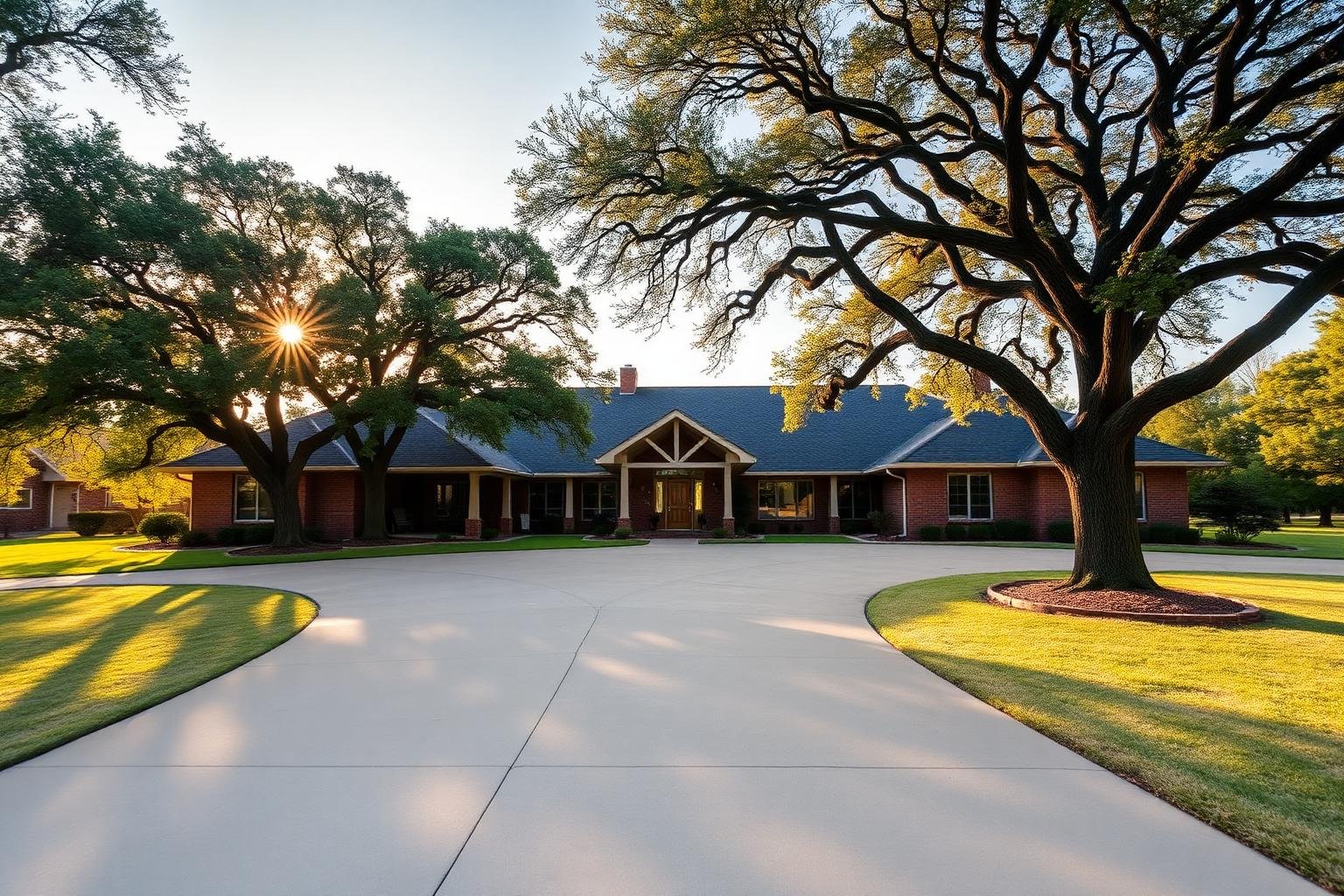
  • Cooper Tulsa: Best Homes, Community & Essential Things to Know

    Cooper Tulsa: Homes, Neighborhood Character, and What Homeowners Should Know

    Cooper Tulsa is a residential area in south Tulsa that appeals to buyers looking for established homes, mature surroundings, and access to the everyday amenities of the city. For anyone researching living in Cooper Tulsa, the neighborhood’s housing patterns, nearby roads, and renovation potential are important parts of the decision. Many Cooper homes offer solid layouts and useful lots, while also presenting the updates common to older Tulsa properties.

    Getting to Know the Cooper Neighborhood

    Cooper is associated with south Tulsa, near the broader area around East 81st Street, South Harvard Avenue, and the neighborhoods extending toward East 91st Street. Its location places residents within reach of major commercial corridors, schools, parks, and regional roads serving the southern part of the metro.

    The neighborhood is primarily residential rather than a destination district. Daily errands often take residents toward nearby shopping and dining along South Memorial Drive, East 71st Street, South Yale Avenue, and the surrounding south Tulsa retail areas. Access to U.S. Highway 169 also helps connect the area with other parts of Tulsa and communities farther south.

    Exact boundaries can vary depending on how local listings and residents define Cooper, so buyers should evaluate each property by its specific street location. Even within a relatively consistent area, lot size, home condition, and nearby traffic patterns can differ from one block to another.

    What Living in Cooper Tulsa Is Like

    Living in Cooper Tulsa generally means living in a settled residential setting with a mix of long-term homeowners and newer buyers updating older properties. The area has the feel of a traditional Tulsa neighborhood, where houses are designed around private yards, driveways, and practical interior spaces rather than dense urban development.

    Residents have access to the larger south Tulsa network of services and recreation. LaFortune Park is a recognizable nearby destination, with golf, trails, sports facilities, and open space. The Southern Hills area, Oral Roberts University, and destinations near Riverside Drive are also within the broader south Tulsa orbit, depending on the property’s location.

    For shopping and dining, residents commonly use the commercial areas along 71st Street, Memorial Drive, Yale Avenue, and nearby portions of South Sheridan Road. These corridors provide grocery stores, restaurants, medical offices, home services, and other routine conveniences without requiring a trip downtown.

    Cooper Homes: Styles, Layouts, and Lot Considerations

    Cooper homes commonly reflect the residential construction patterns found across established south Tulsa neighborhoods. Buyers may encounter one-story and two-story houses with brick or brick-and-siding exteriors, attached garages, defined living and dining areas, and conventional bedroom arrangements.

    Interior features can vary considerably by age and remodeling history. Some homes may retain segmented kitchens, formal dining rooms, wood-burning fireplaces, or smaller bathrooms typical of earlier construction. Others have already received updates such as newer flooring, renovated kitchens, expanded primary suites, or more open living areas.

    Common characteristics to evaluate include:

    – Kitchen size and connection to the main living areas
    – Number and placement of bathrooms
    – Garage capacity and storage
    – Foundation, roof, windows, and mechanical systems
    – Lot drainage and grading
    – Backyard privacy and usable outdoor space
    – Attic, crawl-space, or garage storage
    – Potential for additions or interior reconfiguration

    The home’s original floor plan is especially important. A property that appears dated may still have a strong structure and a workable layout, while a recently updated house may require improvements to plumbing, electrical systems, insulation, or other less visible components.

    Transportation and Nearby Destinations

    Cooper’s south Tulsa location gives homeowners several practical routes through the city. East 81st Street and East 91st Street provide east-west access, while South Harvard Avenue, South Yale Avenue, South Sheridan Road, and South Memorial Drive connect the area with shopping and nearby neighborhoods. U.S. Highway 169 is an important north-south route for reaching other parts of Tulsa.

    Outdoor and recreational options include LaFortune Park and nearby golf and sports facilities. The Arkansas River corridor and River Parks system are also accessible from south Tulsa, offering trails and outdoor space in a different setting from the neighborhood’s residential streets.

    For larger shopping trips, entertainment, and dining, residents can reach established commercial areas in south Tulsa and the nearby Woodland Hills area. The precise drive and route will depend on where a home sits within or near Cooper, but the neighborhood benefits from being part of a well-developed section of the city.

    Homeownership Considerations in Cooper

    Buying in an established neighborhood requires looking beyond cosmetic appearance. A home may have attractive finishes while still needing attention to aging infrastructure. During due diligence, buyers should pay close attention to the roof, heating and cooling equipment, water lines, electrical service, windows, insulation, and signs of moisture intrusion.

    Older layouts can also affect long-term usability. A kitchen may be separated from the living room, a hallway may consume valuable floor area, or a home may lack the storage expected by a modern household. These are not necessarily reasons to reject a property. They can help buyers estimate the scope of improvements needed after closing.

    Outdoor conditions matter as well. Mature trees can add shade and character, but they may require ongoing maintenance. Drainage, retaining features, fences, patios, and aging driveways should be evaluated as part of the total homeownership picture.

    Cooper real estate can appeal to buyers who prefer improving an existing home in a familiar Tulsa setting rather than starting with a new build farther from established services. The right choice depends on the property’s condition, the buyer’s budget, and the amount of construction disruption they are prepared to manage.

    Remodeling Opportunities for Cooper Homeowners

    Updating Older Floor Plans Without Losing Function

    Remodeling Cooper homes often centers on improving how existing space works. A kitchen renovation may involve replacing cabinets and countertops, but it can also address poor circulation, limited storage, outdated lighting, and weak connections to dining or family areas.

    In some homes, removing a non-load-bearing wall or widening an opening can create a more connected main living area. Structural changes require careful planning, especially when plumbing, electrical wiring, HVAC systems, or load-bearing elements are involved.

    Bathroom remodeling is another practical improvement. Homeowners may update aging finishes, improve ventilation, replace inefficient fixtures, or rework a cramped layout. A primary bathroom can often gain comfort through better storage, a larger shower, improved lighting, or more accessible features.

    Other projects that may fit Cooper properties include:

    – Primary suite renovations
    – Laundry room improvements
    – Built-in storage and mudroom solutions
    – Home office conversions
    – Room additions
    – Covered patios and outdoor living areas
    – Aging-in-place modifications
    – Whole-home finish updates

    An addition may be appropriate when the existing footprint cannot accommodate a larger kitchen, extra bedroom, expanded primary suite, or flexible family space. Before choosing an addition, homeowners should compare its cost and construction impact with the possibility of reconfiguring underused rooms within the current structure.

    Castle Remodels serves homeowners throughout the Greater Tulsa area, including those evaluating kitchen remodels, bathroom renovations, additions, and larger whole-home projects. A thoughtful design-build process can help connect the home’s original architecture with the way the household uses it today.

    Is Cooper Tulsa a Good Fit for Your Plans?

    Cooper Tulsa is worth considering for buyers who value established residential surroundings, practical access to south Tulsa amenities, and homes with potential for personalization. The neighborhood’s housing stock can offer more flexibility than a brand-new home, particularly for owners willing to update finishes, improve storage, or rethink an older floor plan.

    Before purchasing, assess the specific property rather than relying only on the neighborhood name. Condition, layout, lot characteristics, and renovation scope will shape the ownership experience. For current homeowners, remodeling may provide a way to remain in a familiar area while creating a more functional and comfortable home.

    If you are considering a kitchen remodel, bathroom remodel, home addition, or larger renovation in Cooper Tulsa, contact Castle Remodels to discuss your project and explore the possibilities for your home.

  • Clarland Acres Tulsa: Stunning Guide to Effortless Neighborhood Living

    Clarland Acres Tulsa: A Practical Guide to Comfortable Neighborhood Living

    Clarland Acres Tulsa is an established residential neighborhood for people researching older Tulsa homes, practical daily access, and remodeling potential. The Clarland Acres neighborhood is located in south Tulsa, near the U.S. 169 corridor and the broader neighborhoods around East 41st Street and South Yale Avenue. Its location places residents within reach of major roads, shopping, schools, parks, and employment areas while retaining the feel of a traditional residential community.

    For buyers and homeowners, understanding the housing character of Clarland Acres matters as much as reviewing a listing. Many properties in the area offer solid layouts and mature lots, but they may also need updates to kitchens, bathrooms, flooring, storage, or mechanical systems. That combination makes the neighborhood especially relevant to anyone considering homeownership, renovation, or long-term improvements.

    Getting to Know the Clarland Acres Neighborhood

    Clarland Acres is part of south Tulsa’s established residential fabric. The area is shaped by residential streets and nearby commercial corridors rather than a dense urban layout. South Yale Avenue and East 41st Street are important routes for reaching shopping, services, and other parts of the city, while U.S. 169 provides a direct north-south connection through the Tulsa metro.

    Living in Clarland Acres Tulsa can offer a more settled residential setting than newer development farther south. Mature landscaping and existing homes give the neighborhood a distinct visual identity, while nearby arterial roads make errands and commuting more straightforward. Residents can also reach major destinations in south Tulsa without relying exclusively on neighborhood streets.

    The area’s location is useful for homeowners who want access to everyday services without living in a heavily commercial environment. Grocery stores, restaurants, professional offices, and retail centers are concentrated along the surrounding major roads, particularly around the Yale Avenue and 41st Street corridors.

    What Clarland Acres Homes Are Like

    Clarland Acres homes generally reflect the architectural patterns common in established Tulsa neighborhoods developed during the mid-20th century. Buyers may encounter traditional ranch-style houses, modest split-level designs, and other practical one-story or two-story floor plans. Home sizes and layouts vary, but many properties were designed around functional living areas, separate kitchens, attached garages, and usable front and back yards.

    Older homes often have features that appeal to buyers who prefer character and manageable proportions:

    – Mature trees and established landscaping
    – Brick, siding, or combinations of exterior materials
    – Conventional living and dining areas
    – Attached garages or driveway parking
    – Larger kitchens than their original footprints may suggest
    – Wood flooring or other durable materials beneath updated finishes
    – Backyards suitable for patios, gardens, or play areas

    At the same time, the original floor plans may not match current expectations. Kitchens can be separated from living areas, bathrooms may be compact, and closets or pantry storage may be limited. Some homes may also need electrical, plumbing, insulation, window, or roofing updates depending on their maintenance history.

    That does not automatically make an older property a poor choice. It means buyers should evaluate both the home’s current condition and its potential. A well-located house with a workable structure may provide a stronger remodeling opportunity than a newer home with a layout that cannot be changed easily.

    Roads, Shopping, and Recreation Nearby

    One of the practical advantages of Clarland Acres real estate is access to several major transportation routes. U.S. 169 helps connect south Tulsa with midtown, east Tulsa, and communities farther south. East 41st Street serves as a major east-west corridor, and Yale Avenue provides another important north-south route. Depending on the destination, residents can also connect to Interstate 44 and the Broken Arrow Expressway.

    Nearby shopping and dining options are concentrated along the major commercial streets surrounding the neighborhood. South Tulsa offers grocery stores, casual restaurants, service businesses, medical offices, and larger retail destinations within a relatively short drive. The area also provides access to regional shopping and entertainment around the Woodland Hills area.

    Outdoor recreation is another consideration. LaFortune Park, located west of the neighborhood near South Yale Avenue and East 61st Street, includes open green space, walking areas, sports facilities, and a golf course. The nearby River Parks trail system along the Arkansas River offers additional opportunities for walking, cycling, and outdoor activity. These destinations give homeowners options beyond the immediate residential streets.

    Homeownership Considerations in an Established Tulsa Area

    Purchasing Clarland Acres homes requires attention to the details that come with older construction. A home inspection can help identify conditions involving the foundation, roof, drainage, attic insulation, HVAC equipment, windows, and plumbing. These systems do not all need to be new, but their age and remaining service life should be part of the ownership budget.

    Buyers should also look closely at how the home has been altered over time. Some renovations may have improved comfort and appearance, while others may have created awkward transitions or removed useful storage. Reviewing the kitchen, bathrooms, electrical service, and major additions as a complete system can reveal priorities that are easy to miss during a showing.

    For current owners, preventative maintenance can protect the home’s long-term performance. Proper drainage, roof upkeep, caulking, ventilation, and timely repairs are particularly important in older houses. Addressing smaller problems before a major renovation can also make future remodeling more predictable.

    Why Remodeling Can Make Sense in Clarland Acres

    Many homeowners choose to improve a Clarland Acres property rather than move because the home already has qualities that are difficult to reproduce: a familiar location, an established lot, mature landscaping, and a floor plan with a workable foundation. Remodeling can address the parts of the home that no longer fit without requiring a complete change of neighborhood.

    Common projects may include:

    – Updating a closed-off kitchen for better circulation and storage
    – Replacing worn cabinets, counters, flooring, and lighting
    – Enlarging or reconfiguring an outdated bathroom
    – Creating a more functional primary suite
    – Adding a pantry, mudroom, laundry storage, or built-in cabinetry
    – Improving insulation, windows, and energy performance
    – Opening selected walls while preserving important structural elements
    – Building an addition for a larger family room, bedroom, or home office
    – Completing a whole-home renovation in stages

    Kitchen remodeling is often one of the most noticeable improvements in an older Tulsa home. A thoughtful design can provide better work zones, improved lighting, more durable finishes, and additional storage without making the space feel disconnected from the rest of the house. In some properties, a partial wall removal or revised doorway can improve the relationship between the kitchen, dining area, and living room.

    Bathroom remodeling may focus on updated fixtures and finishes, but it can also address ventilation, accessibility, storage, and inefficient layouts. Homeowners planning to remain in the property for many years may also consider wider doorways, curbless showers, better lighting, and other aging-in-place improvements.

    Remodeling Clarland Acres Homes With a Long-Term Plan

    The best renovation approach depends on the home’s structure, existing systems, and the owner’s goals. Some Clarland Acres properties may benefit from a targeted kitchen or bathroom project. Others may require coordinated improvements across several rooms, especially when finishes, electrical work, plumbing, and layout changes overlap.

    Castle Remodels serves homeowners throughout the Greater Tulsa area, helping them plan kitchen remodels, bathroom renovations, additions, and larger home improvement projects. A clear design and construction plan can help homeowners prioritize the work that improves daily function while respecting the scale and character of an established house.

    Clarland Acres Tulsa offers a practical setting for homeowners who appreciate established streets, accessible south Tulsa routes, and homes with renovation potential. If you are considering a kitchen remodel, bathroom remodel, home addition, or whole-home renovation in the Clarland Acres neighborhood, contact Castle Remodels to discuss your project and determine the right next steps.

  • Chimney Hills Tulsa: Stunning, Affordable Reasons to Love Living Here

    Chimney Hills Tulsa: Stylish, Affordable Reasons to Love Living Here

    Chimney Hills Tulsa is an established residential neighborhood in south Tulsa known for its attractive homes, mature surroundings, and practical access to shopping, dining, parks, and major roads. For buyers comparing Tulsa neighborhoods—or homeowners thinking about renovating instead of moving—the Chimney Hills neighborhood offers a combination of traditional housing character and adaptable floor plans that remain relevant today.

    Getting to Know the Chimney Hills Neighborhood

    Chimney Hills is located in south Tulsa, near the broader area around East 71st Street, Memorial Drive, and South Yale Avenue. Its position places residents within reach of major commercial areas while maintaining a primarily residential setting.

    The neighborhood is part of a section of Tulsa where many subdivisions were developed during periods of strong suburban growth. Streets are generally shaped around single-family living, with established landscaping and homes that reflect the architectural preferences of their construction eras. The result is a neighborhood with more visual variety than a newer development built from a limited set of floor plans.

    Living in Chimney Hills Tulsa can appeal to people who want access to the south Tulsa retail corridor without choosing a newer subdivision farther from the city’s established services. The area also provides a useful starting point for reaching other parts of Tulsa through nearby arterial roads.

    What Chimney Hills Homes Are Like

    Chimney Hills homes commonly reflect late-20th-century suburban design. Depending on the individual property, buyers may find traditional two-story houses, ranch-style layouts, split-level designs, and other single-family floor plans created for everyday family living.

    Typical features may include:

    – Multiple bedrooms and bathrooms
    – Attached garages
    – Separate living and dining areas
    – Brick or brick-and-siding exteriors
    – Wood-burning fireplaces
    – Established front and back yards
    – Kitchens separated from main living spaces
    – Dedicated laundry or utility areas

    Many homes in the neighborhood were built with more defined rooms than today’s open-concept plans. That can be an advantage for homeowners who want privacy, home offices, or flexible spaces, but some layouts may benefit from thoughtful reconfiguration.

    The size, condition, and design of Chimney Hills homes vary from one property to another. Some may have received major updates, while others retain original cabinetry, flooring, lighting, bathrooms, or windows. This range gives buyers different entry points into the Chimney Hills real estate market and creates opportunities for homeowners who want to improve a house over time.

    Access to Shopping, Dining, and Daily Services

    One of the practical benefits of living in Chimney Hills Tulsa is access to the commercial areas along East 71st Street and nearby south Tulsa corridors. Residents can reach a wide range of grocery stores, restaurants, medical offices, personal services, and retail businesses without traveling to downtown for routine needs.

    Nearby destinations in the broader south Tulsa area include Woodland Hills Mall, the shops and restaurants around 71st Street, and commercial areas near Memorial Drive and South Yale Avenue. The exact travel route depends on the property and destination, but the neighborhood’s location supports convenient car access to many everyday services.

    For recreation, nearby options include LaFortune Park, Southern Hills Country Club, and the River Parks trail system along the Arkansas River. These destinations provide opportunities for walking, golf, sports, and outdoor time. Tulsa’s larger park and cultural network is also reachable by the city’s major road system.

    Primary routes near the neighborhood include East 71st Street, South Memorial Drive, South Yale Avenue, and nearby sections of Interstate 44. These roads connect residents with central Tulsa, east Tulsa, and other parts of the metro area. Traffic conditions vary by time of day, so commute experience depends on the destination and schedule.

    Homeownership Considerations in an Established Tulsa Neighborhood

    Buying an established home involves more than evaluating the kitchen and bathrooms. A professional inspection can help identify the condition of major systems, including the roof, foundation, plumbing, electrical service, heating and cooling equipment, windows, and drainage around the home.

    For Chimney Hills homes, buyers and current owners may want to pay particular attention to:

    – Moisture management around foundations and crawl spaces
    – The age and condition of roofing materials
    – Original plumbing or electrical components
    – Insulation and energy efficiency
    – Drainage in established yards
    – The condition of decks, patios, and retaining features
    – Whether previous renovations were completed with appropriate permits

    These considerations do not make an older home a poor choice. They simply help homeowners plan responsibly. A house with good proportions and a workable location may have more long-term potential than a newer property whose layout does not fit the owner’s needs.

    Why Homeowners May Renovate Instead of Move

    Moving can involve selling costs, a new mortgage, moving expenses, and the challenge of finding another home in the same general area. In Chimney Hills, remodeling may allow homeowners to address specific problems while keeping the features they already value.

    A renovation can improve how a home functions without erasing its original character. For example, a homeowner may preserve a brick fireplace or traditional exterior while updating the interior with better storage, improved lighting, durable flooring, and a more useful kitchen layout.

    Remodeling also gives homeowners control over priorities. One household may need a larger kitchen for regular cooking and entertaining. Another may need a first-floor bedroom, an accessible bathroom, or a dedicated workspace. Updating a home around those needs can be more practical than purchasing a different property with its own compromises.

    Remodeling Possibilities for Chimney Hills Homes

    Updating Kitchens and Main Living Areas

    Older kitchens are often one of the clearest opportunities in established Chimney Hills houses. A kitchen remodel might include new cabinets, improved pantry storage, updated appliances, better task lighting, durable countertops, and a revised work triangle.

    Some homes may also benefit from opening a portion of the kitchen to an adjoining dining or living area. That does not always mean removing an entire wall. A carefully designed pass-through, wider opening, island, or partial reconfiguration can improve connection between rooms while preserving useful separation.

    Improving Bathrooms and Primary Suites

    Bathrooms built several decades ago may have limited storage, dated finishes, or inefficient layouts. A bathroom renovation can address those issues with a better vanity, modern lighting, improved ventilation, updated tile, and a more functional shower or tub arrangement.

    Primary bedrooms may also offer opportunities for expanded closets, improved lighting, private bathroom upgrades, or a more comfortable connection between sleeping and dressing areas. The best solution depends on the existing structure and the homeowner’s long-term plans.

    Additions, Storage, and Whole-Home Updates

    Some Chimney Hills homeowners may need more space rather than a cosmetic update. An addition could create a larger family room, home office, guest suite, or expanded primary bedroom. Other projects may focus on attic or garage storage, built-in cabinetry, laundry improvements, or better use of underutilized rooms.

    A whole-home renovation can coordinate flooring, paint, lighting, doors, trim, kitchens, and bathrooms into a more consistent design. For homeowners who like their lot and neighborhood but feel their interior no longer works, this approach can provide a substantial improvement without leaving Chimney Hills.

    Castle Remodels serves homeowners throughout the Greater Tulsa area, including those planning kitchen remodels, bathroom renovations, additions, and larger residential projects. A professional design-build discussion can help clarify the scope, priorities, and practical sequence of improvements.

    Is Chimney Hills Tulsa a Good Fit?

    Chimney Hills Tulsa may suit buyers and homeowners who appreciate established single-family housing, south Tulsa access, and the opportunity to personalize an existing home. Its mix of traditional layouts, varied home styles, mature residential surroundings, and nearby commercial services gives the neighborhood lasting appeal without requiring a new-construction lifestyle.

    For current residents, the neighborhood’s existing homes can also be a strong foundation for renovation. A well-planned kitchen remodel, bathroom update, addition, or whole-home improvement may make a Chimney Hills property better aligned with modern needs while preserving the location that already works.

    If you are considering a kitchen remodel, bathroom remodel, home addition, or larger renovation in Chimney Hills or elsewhere in the Greater Tulsa area, contact Castle Remodels to discuss your project and explore the possibilities for your home.

  • Cedarcrest Tulsa: An Essential Guide to Effortless Neighborhood Living

    Cedarcrest Tulsa: An Essential Guide to Effortless Neighborhood Living

    Cedarcrest Tulsa is an established residential neighborhood in south-central Tulsa, known for its mature setting, traditional homes, and convenient access to some of the city’s most recognizable roads and destinations. For people researching living in Cedarcrest Tulsa, the area offers a useful combination of older housing character, practical location, and opportunities to improve an existing home rather than start over in a newer development.

    Getting to Know the Cedarcrest Neighborhood

    Cedarcrest is located near Tulsa’s 71st Street corridor, with access to major north-south routes including Yale Avenue and Sheridan Road. The neighborhood is also close to the Tulsa Community College Southeast Campus, LaFortune Park, and the commercial areas surrounding 71st Street and Memorial Drive.

    That location gives residents access to everyday shopping, restaurants, medical offices, services, and recreation without placing the neighborhood directly in a high-traffic commercial district. Downtown Tulsa and midtown destinations are also reachable by established arterial roads, while nearby neighborhoods provide additional dining and retail options.

    Cedarcrest should be understood as a Tulsa neighborhood rather than an independent suburb. Its setting reflects the development patterns of south Tulsa, where established residential streets sit alongside major retail corridors, schools, parks, and expanding transportation routes.

    What Living in Cedarcrest Tulsa Is Like

    The experience of living in Cedarcrest Tulsa is shaped by its mature residential environment. Streets are primarily designed for local neighborhood traffic, and many properties have larger trees and established landscaping that are less common in recently built subdivisions.

    The area appeals to homeowners who value a completed neighborhood with existing infrastructure and a recognizable sense of place. Instead of choosing between a limited number of new-construction floor plans, buyers looking at Cedarcrest homes will typically find variation in layout, updates, lot configuration, and architectural details.

    The neighborhood’s location near 71st Street is particularly practical for daily errands. Residents can reach grocery stores, restaurants, retail centers, parks, and professional services along the south Tulsa corridor. LaFortune Park provides golf, walking areas, tennis, playgrounds, and other outdoor amenities nearby, while the River Parks trail system and gathering spaces along the Arkansas River are accessible from south Tulsa by car.

    Cedarcrest Homes: Styles, Layouts, and Common Features

    Much of the housing in Cedarcrest reflects the design preferences and construction methods common to established Tulsa neighborhoods. Buyers may encounter traditional ranch-style homes, split-level layouts, and other mid-century or later twentieth-century designs. Exact home characteristics vary from street to street and property to property.

    Common features may include:

    – One-story or partially split-level floor plans
    – Brick, masonry, or wood exterior materials
    – Separate living and dining areas
    – Attached garages
    – Mature front and backyard landscaping
    – Established patios, porches, or enclosed outdoor spaces
    – Kitchens and bathrooms that may retain older layouts or finishes

    Older homes often have practical room sizes and well-defined spaces. At the same time, some floor plans may feel segmented compared with newer open-concept designs. A kitchen can be separated from the main living area, hallways may use space inefficiently, and storage may be limited by modern standards.

    For buyers evaluating Cedarcrest real estate, the condition of the structure and the quality of previous improvements are often more important than surface appearance alone. A recently painted home may still need electrical, plumbing, roofing, insulation, or drainage work, while a dated-looking property may have a solid layout and strong potential for a thoughtful renovation.

    Roads, Transportation, and Nearby Destinations

    Cedarcrest’s position near 71st Street provides a direct connection to one of south Tulsa’s principal commercial corridors. Yale Avenue and Sheridan Road offer north-south access, while Memorial Drive connects the area with other parts of east and south Tulsa.

    Nearby destinations include LaFortune Park, Southern Hills Country Club, Tulsa Community College’s Southeast Campus, and the retail and restaurant areas near 71st and Memorial. The neighborhood is also within reach of Woodland Hills Mall and the broader commercial district along South Memorial Drive.

    For recreation, residents can use nearby parks, golf facilities, walking routes, and riverfront amenities. The neighborhood’s established location means many services are already present, reducing the need to rely on newly developing commercial areas for basic errands.

    As with any Tulsa location, travel conditions vary by time of day and destination. The most useful way to evaluate the area is to consider how its major roads connect with a homeowner’s regular routes, such as work, school, medical appointments, shopping, or recreation.

    Homeownership Considerations in an Established Tulsa Area

    Buying an older home involves more than comparing square footage and bedroom counts. Cedarcrest homes may offer mature lots and flexible layouts, but they can also require closer attention to systems and long-term maintenance.

    Prospective homeowners commonly review:

    – Age and condition of the roof
    – Heating and cooling equipment
    – Plumbing supply and drain lines
    – Electrical service and panel capacity
    – Foundation drainage and grading
    – Windows, insulation, and energy efficiency
    – Attic ventilation and moisture control
    – Garage condition and storage space
    – Previous additions or major structural changes

    Older kitchens and bathrooms are often the most visible areas needing improvement, but they are not always the only priorities. Updating a home successfully may involve correcting water management, improving insulation, replacing aging mechanical systems, or addressing layout problems before selecting finishes.

    A professional inspection and a realistic renovation budget can help buyers understand whether a Cedarcrest property is ready for immediate occupancy or better suited to a phased improvement plan.

    Why Cedarcrest Homeowners May Remodel Instead of Move

    Established neighborhoods often give homeowners a reason to improve the property they already own. A location near familiar services, parks, workplaces, and daily routes may be difficult to replace, especially when newer homes involve longer drives or less mature surroundings.

    Remodeling can also solve specific problems without giving up a favorable lot or a home’s existing character. A renovation may make sense when the structure is sound but the interior no longer fits the household’s needs.

    Popular projects for Cedarcrest properties can include:

    – Kitchen remodeling with improved storage and workflow
    – Bathroom renovations for better accessibility and updated fixtures
    – Opening a kitchen or dining area to an adjacent living space
    – Converting underused rooms into offices, playrooms, or guest areas
    – Adding a primary suite or expanding an existing bedroom
    – Improving laundry rooms, pantries, mudrooms, and built-in storage
    – Reworking entryways and circulation paths
    – Adding aging-in-place features such as wider doorways, curbless showers, and better lighting
    – Updating older finishes while preserving useful architectural details

    Because floor plans vary throughout the neighborhood, the best renovation strategy depends on the individual home. Some properties may benefit from a focused kitchen or bathroom project. Others may need a broader reconfiguration that addresses multiple rooms and outdated systems at the same time.

    Remodeling Homes in Cedarcrest Tulsa

    Remodeling a Cedarcrest home requires attention to both its original construction and the way the household uses the property today. A kitchen update may involve removing walls, relocating plumbing, improving ventilation, or creating a more functional connection to the living room. Bathroom work may uncover older plumbing conditions or require changes to improve storage and accessibility.

    For larger projects, homeowners may consider an addition, a whole-home renovation, or a primary suite improvement. Careful planning helps preserve the parts of the house that work well while correcting the limitations that come with an older layout.

    Castle Remodels serves homeowners throughout the Greater Tulsa area, including those planning renovations in established south Tulsa neighborhoods. Whether the project involves a kitchen remodel, bathroom remodel, home addition, or more comprehensive renovation, a clear design and construction plan can make the process easier to manage.

    Is Cedarcrest Right for Your Home Search?

    Cedarcrest Tulsa offers established streets, varied housing, mature surroundings, and convenient access to south Tulsa shopping, recreation, and major roads. Its homes may require more evaluation than new construction, but they can also provide flexible opportunities for modernization and personalization.

    For buyers, the neighborhood is worth considering when location and existing character matter as much as brand-new finishes. For current homeowners, remodeling may provide a practical way to improve comfort, storage, accessibility, and functionality while remaining in a familiar part of Tulsa.

    If you are considering a kitchen remodel, bathroom remodel, addition, or larger home renovation in Cedarcrest or elsewhere in the Greater Tulsa area, contact Castle Remodels to discuss your project.

  • Carriage Trail Tulsa: Essential Guide to the Best Homes and Lifestyle

    Carriage Trail Tulsa: A Practical Guide to Homes, Location, and Daily Life

    Carriage Trail Tulsa is a residential neighborhood in south Tulsa known for established homes, mature surroundings, and a location near major shopping, dining, schools, and transportation routes. For buyers comparing south Tulsa communities—or current owners deciding whether to renovate—understanding the neighborhood’s housing character and nearby amenities can make planning easier.

    Getting to Know the Carriage Trail Neighborhood

    Carriage Trail is located in the south Tulsa area, with access to major roads serving the broader region. Depending on the specific part of the neighborhood, residents can typically connect with routes such as East 71st Street, South Memorial Drive, South Sheridan Road, and nearby portions of U.S. 169. These roads provide access to offices, retail areas, medical services, and other parts of Tulsa and the surrounding suburbs.

    The neighborhood has the feel of a traditional residential subdivision rather than a mixed-use district. Daily life centers around private homes, local streets, and nearby commercial corridors. That arrangement can appeal to homeowners who want a settled residential setting without being far from larger shopping and service areas.

    Because neighborhood boundaries and individual property details can vary, buyers researching Carriage Trail real estate should evaluate each home based on its exact location, lot, construction date, floor plan, and renovation history.

    What Carriage Trail Homes Are Like

    Carriage Trail homes generally reflect the architectural trends of the period in which the neighborhood was developed. Many properties feature traditional suburban layouts, attached garages, defined living and dining areas, and yards with established landscaping. Depending on the property, buyers may find brick or masonry exteriors, low-pitched rooflines, multiple bedrooms, and one- or two-story designs.

    Common features in established Tulsa homes may include:

    – Separate kitchens and dining areas
    – Formal living or flexible front rooms
    – Fireplaces or built-in cabinetry
    – Larger bedrooms than newer entry-level construction
    – Attached garages with limited storage
    – Mature trees and landscaped front or back yards
    – Floor plans that may benefit from selective updates

    Some Carriage Trail homes have already received kitchen, bathroom, flooring, window, or mechanical improvements. Others may retain original finishes or partially updated spaces. This creates a range of options for buyers, from move-in-ready properties to homes where remodeling can improve function and appearance.

    Lot size and layout are especially important. A house with a generous backyard may offer room for a patio, covered outdoor living area, play space, or future addition. At the same time, older homes can have utility locations, drainage considerations, or structural details that influence the cost and scope of a renovation.

    Living in Carriage Trail Tulsa

    Living in Carriage Trail Tulsa places residents near many of south Tulsa’s everyday destinations. Shopping and dining options are concentrated along major corridors, including areas near 71st Street and Memorial Drive. The nearby Woodland Hills area provides a major retail destination with a wide selection of stores, restaurants, and services.

    Residents can also reach entertainment and recreation throughout south Tulsa, including venues and activity areas near the Arkansas River. LaFortune Park, located near East 61st Street and South Yale Avenue, offers golf, walking areas, playgrounds, sports facilities, and open space. River Parks trails and gathering areas are also accessible from the south Tulsa area for walking, cycling, and outdoor activities.

    The neighborhood’s location can be useful for homeowners who regularly travel toward:

    – South Tulsa retail and restaurant corridors
    – Medical offices and services along Memorial and Yale
    – Downtown Tulsa and the central business district
    – Broken Arrow and east Tulsa
    – Jenks and the Arkansas River area
    – Regional highways connecting the metropolitan area

    Traffic patterns, road construction, school assignments, and exact drive times can vary by address and destination. For home shoppers, it is worth testing the routes that matter most during typical morning and afternoon travel periods.

    Homeownership Considerations for Established Properties

    The age and condition of a home matter as much as its visual appeal. Buyers evaluating Carriage Trail homes should look beyond paint colors and flooring to understand how the property has been maintained.

    Important areas to review include the roof, heating and cooling systems, plumbing supply and drain lines, electrical service, windows, insulation, drainage, and foundation-related conditions. Kitchens and bathrooms may also show their age through cabinet construction, countertop materials, ventilation, lighting, and storage.

    Established homes often have qualities that newer construction does not always provide, including mature landscaping, larger rooms, and more individual architectural details. However, those advantages can come with less efficient layouts, older finishes, and fewer outlets or storage areas.

    A thoughtful inspection and a realistic improvement plan can help homeowners distinguish between routine maintenance, cosmetic work, and projects that require design or construction expertise.

    Remodeling Opportunities in Carriage Trail Homes

    Many homeowners choose to update rather than move because the location and basic structure of the home already work for their lives. Remodeling can address the parts of a house that feel dated or impractical while preserving the advantages of the property and neighborhood.

    Kitchens Designed for Modern Use

    Older kitchens may be divided from adjoining living areas or lack sufficient storage and work surfaces. A kitchen remodel can improve the room through better cabinet organization, an updated island, improved lighting, durable surfaces, and more functional connections to dining or family spaces.

    Opening a kitchen to another room is not always the best solution, particularly when walls contain plumbing, electrical systems, or structural supports. A well-designed renovation can sometimes improve openness without removing every dividing wall.

    Bathrooms and Primary Suites

    Bathroom updates are another common opportunity in established homes. Improvements may include a larger shower, better ventilation, new cabinetry, improved lighting, accessible fixtures, and more durable finishes. In a primary suite, remodeling may also involve reorganizing the bedroom, closet, and bathroom relationship.

    For homeowners planning to stay long term, features such as wider clearances, curbless showers, grab-bar reinforcement, and easier-to-use hardware can support future aging-in-place needs without making the space feel institutional.

    Additions, Storage, and Whole-Home Updates

    A growing household may need an office, larger laundry room, expanded primary suite, guest space, or improved connection to the backyard. An addition can provide that capacity when the existing footprint is too limited.

    Other renovations may focus on practical improvements, including mudroom storage, built-ins, garage organization, updated flooring, interior doors, lighting, and improved insulation. In some Carriage Trail real estate, a phased approach may make sense: begin with the kitchen or primary bathroom, then address other rooms as priorities and budget allow.

    Castle Remodels serves homeowners throughout the Greater Tulsa area, helping plan and build kitchen remodels, bathroom renovations, additions, and larger home improvement projects. A consultation can help clarify which changes are most valuable for the way a particular home is used.

    Is Carriage Trail a Good Fit for Your Plans?

    Carriage Trail can be a practical choice for buyers who appreciate established residential surroundings, access to south Tulsa amenities, and homes with potential for personalization. The right property will depend on its condition, layout, lot, renovation history, and alignment with the homeowner’s long-term needs.

    For current residents, remodeling may offer a way to make an older floor plan more comfortable without giving up a familiar location. If you are considering a kitchen remodel, bathroom remodel, home addition, or whole-home renovation in Carriage Trail Tulsa, contact Castle Remodels to discuss your project and explore a plan suited to your home.

  • Burning Tree Tulsa: Stunning Homes, Amenities & Living Guide

    Burning Tree Tulsa: A Practical Guide to Homes, Amenities, and Everyday Living

    Burning Tree Tulsa is an established residential neighborhood in south Tulsa, known for its mature setting, traditional homes, and convenient access to major roads, shopping, parks, and services. For buyers researching Burning Tree homes—or current owners considering a renovation—the neighborhood offers a useful combination of recognizable Tulsa character and flexible housing opportunities.

    Getting to Know the Burning Tree Neighborhood

    Burning Tree is located in the south Tulsa area near East 81st Street, South Memorial Drive, and the Union school district area. Its position places residents within reach of major north-south routes, including Memorial Drive and Yale Avenue, as well as east-west corridors such as 81st Street and East 91st Street.

    The neighborhood is primarily residential, with streets that reflect the scale and planning of an established suburban subdivision rather than a newer, master-planned development. Mature trees, built-out surroundings, and a mix of long-standing and updated properties shape the day-to-day atmosphere.

    Living in Burning Tree Tulsa can appeal to homeowners who want a traditional residential setting without giving up access to the broader south Tulsa retail and dining network. The area is also positioned for access toward Woodland Hills, east Tulsa, Broken Arrow, and central Tulsa.

    What Burning Tree Homes Are Like

    Burning Tree real estate generally consists of detached single-family homes built during Tulsa’s suburban expansion in the late 20th century. Exact construction dates and designs vary by street, but many homes reflect architectural styles common to that period, including traditional two-story residences, ranch-style layouts, and homes with brick or brick-and-siding exteriors.

    Common characteristics may include:

    – Three or four bedrooms
    – Multiple living areas
    – Traditional dining rooms or breakfast spaces
    – Attached garages
    – Wood-burning fireplaces in some homes
    – Larger yards compared with newer compact-lot developments
    – Mature landscaping and established trees

    Many houses were designed around separated rooms rather than today’s preference for large open-concept kitchens and living areas. Formal living rooms, enclosed kitchens, and distinct dining spaces can provide useful structure, but they may also create opportunities for reconfiguration.

    Lot sizes and floor plans differ throughout the neighborhood, so buyers should evaluate each home individually. A property with dated finishes may still have a strong layout, solid room proportions, and renovation potential that is not obvious from the first showing.

    Amenities and Nearby Destinations

    One of the practical advantages of the Burning Tree area is its access to everyday services. Residents can reach the Woodland Hills shopping area, retail along South Memorial Drive, and commercial corridors near East 71st Street and East 81st Street. These areas include grocery stores, restaurants, personal services, medical offices, and larger retail destinations.

    For recreation, LaFortune Park is a notable nearby destination. The park includes golf facilities, walking areas, tennis, playgrounds, and open space. Oral Roberts University’s campus and surrounding south Tulsa landmarks are also within the broader area, while the Arkansas River and River Parks system are accessible by traveling west.

    The neighborhood’s location also provides a reasonable starting point for trips toward downtown Tulsa, midtown, Broken Arrow, and the city’s southern business districts. Memorial Drive is particularly important for local travel, while U.S. Highway 169 provides a regional route for drivers heading north or south.

    Daily Life and Transportation

    Burning Tree is best suited to homeowners who rely on personal vehicles for work, school, shopping, and appointments. The neighborhood’s residential streets connect to Memorial Drive, Yale Avenue, 81st Street, and nearby arterials, making it possible to reach a variety of destinations without crossing the entire metro area.

    Walkability will vary by destination and by the specific part of the neighborhood. Sidewalk availability, street design, and distance from commercial areas should be considered by buyers who want to walk regularly. For most residents, the neighborhood’s appeal comes from having a settled home environment near established services rather than from a highly walkable, mixed-use lifestyle.

    Homeownership Considerations in an Established Neighborhood

    Buying in Burning Tree often means evaluating more than cosmetic appearance. Older homes can offer generous room sizes, mature landscaping, and construction details that are difficult to find in newer developments. At the same time, systems and finishes may need attention depending on the property’s maintenance history.

    During a purchase or renovation evaluation, homeowners may want to look closely at:

    – Roof age and drainage
    – Heating and cooling equipment
    – Electrical and plumbing updates
    – Window performance
    – Foundation and drainage conditions
    – Insulation and energy efficiency
    – Kitchen and bathroom layouts
    – Storage capacity
    – Garage organization and usable space

    These considerations do not automatically indicate a problem. They simply reflect the realities of owning an established Tulsa home. In many cases, a property can benefit from targeted improvements while retaining the original floor plan and neighborhood character.

    Why Remodeling Can Make Sense in Burning Tree

    Moving is not always the best way to solve a home’s shortcomings. Burning Tree homes may have features homeowners value—such as a familiar location, larger rooms, mature trees, and an established yard—but still lack the kitchen, bathroom, storage, or living space needed today.

    A thoughtful renovation can address those issues while keeping the benefits of the property and neighborhood. Common projects may include:

    Kitchen Updates and Reconfigured Floor Plans

    A kitchen remodel can improve circulation, storage, lighting, and work areas without requiring a full addition. Depending on the structure, homeowners may remove a non-load-bearing wall, widen an opening, add an island, or connect the kitchen more effectively to a family room or breakfast area.

    Some homes may benefit from a more substantial floor-plan redesign. Opening rooms selectively can create a better sense of connection while preserving defined areas for dining, work, or entertaining.

    Bathroom and Primary Suite Improvements

    Older bathrooms often have limited storage, inefficient fixtures, dated tile, or poor lighting. Remodeling can introduce larger showers, improved ventilation, durable surfaces, and better organization.

    A primary suite update might involve expanding a bathroom, improving closet storage, adding a more functional vanity layout, or creating a stronger connection between the bedroom and bath. These improvements can make an established home more comfortable without changing its exterior character.

    Additions, Storage, and Long-Term Function

    When the existing footprint cannot meet a household’s needs, an addition may provide space for a home office, guest room, expanded family room, mudroom, or primary suite. Storage improvements can also make a meaningful difference, particularly in homes with smaller closets or limited entry and laundry organization.

    Homeowners planning to remain in the neighborhood for many years may also consider aging-in-place features, such as wider doorways, curbless showers, improved lighting, and easier first-floor living arrangements.

    Remodeling Homes in Burning Tree Tulsa

    Renovating a Burning Tree home requires attention to both the original structure and the way the household uses the property today. The strongest results typically begin with a clear plan: identify what is not working, determine which walls or systems can change, and prioritize improvements that support daily life rather than simply following short-term design trends.

    Castle Remodels serves homeowners throughout the Greater Tulsa area, including those considering updates in established south Tulsa neighborhoods. Whether the project involves a kitchen remodel, bathroom renovation, home addition, or larger whole-home transformation, a detailed design and construction plan can help align the investment with the home’s structure and the owner’s goals.

    Is Burning Tree Right for You?

    Burning Tree offers established Tulsa housing, access to major south Tulsa destinations, and homes with room for thoughtful updates. Buyers may find traditional layouts, mature surroundings, and renovation potential, while current homeowners may be able to create the space and function they need without leaving the neighborhood.

    If you are considering a kitchen remodel, bathroom remodel, addition, or larger renovation in Burning Tree Tulsa, contact Castle Remodels to discuss your home and project goals.

  • Briarglen Tulsa: Stunning Homes, Effortless Living & Must-See Local Highlights

    Briarglen Tulsa: Distinctive Homes, Easy Access, and Remodeling Potential

    Briarglen Tulsa is a residential neighborhood in south Tulsa known for its established homes, mature surroundings, and practical access to the city’s major shopping, dining, employment, and recreation areas. For buyers researching Briarglen homes—or current owners considering an update—the neighborhood offers a useful combination of recognizable Tulsa character and renovation potential.

    Getting to Know the Briarglen Neighborhood

    Briarglen is located in south Tulsa, near the broader area served by East 61st Street, South Yale Avenue, and South Sheridan Road. Its location places residents within reach of major east-west and north-south routes, including Interstate 44 and U.S. Highway 169, depending on the part of the neighborhood and the destination.

    The area is primarily residential rather than a commercial district. Streets are made up of established houses, landscaped lots, and mature trees, creating a setting that feels more settled than newly developed. At the same time, nearby corridors provide access to everyday services without requiring a trip across the metropolitan area.

    Living in Briarglen Tulsa can appeal to homeowners who want a traditional neighborhood setting while remaining close to major parts of south and east Tulsa. The neighborhood’s location also makes it practical for reaching shopping centers, restaurants, medical offices, schools, and recreational destinations throughout the city.

    What Briarglen Homes Are Like

    The housing in Briarglen reflects the development patterns common in established Tulsa neighborhoods. Many homes feature traditional ranch, split-level, or two-story designs, with floor plans that may include three or four bedrooms, attached garages, separate dining areas, and larger living rooms than those found in some newer construction.

    Architectural details vary from property to property, but common characteristics can include:

    – Brick or brick-and-siding exteriors
    – Mature front and backyard landscaping
    – Covered patios or screened porches
    – Attached garages
    – Formal living or dining spaces
    – Kitchens separated from main living areas
    – Wood-burning fireplaces in some residences
    – Extra closets, utility rooms, or basement-level space in select homes

    The exact age, layout, and condition of each property differ, which is important when evaluating Briarglen real estate. Some homes may have already received kitchen, bathroom, flooring, or window updates, while others retain finishes from their original construction period.

    That variation can be an advantage for buyers. A property with an older interior may offer an opportunity to improve the home around specific needs instead of paying for renovations chosen by someone else.

    Everyday Access Around South Tulsa

    Briarglen’s surrounding road network helps connect the neighborhood with commercial and recreational areas across Tulsa. South Yale Avenue and South Sheridan Road provide access to shopping, restaurants, professional services, and medical facilities. East 61st Street connects to additional retail and residential areas, while Interstate 44 supports travel toward central Tulsa and communities farther east or west.

    Nearby destinations in the broader south Tulsa area include Woodland Hills Mall, LaFortune Park, Southern Hills Country Club, and the retail and restaurant corridors around 71st Street. The neighborhood is also within reach of the popular gathering places along Riverside Drive and the Arkansas River, including River Parks trails and recreation areas.

    For larger shopping trips, dining options, and entertainment, residents can travel toward the Woodland Hills area, Utica Square, Brookside, or downtown Tulsa. The exact drive depends on traffic and the destination, but Briarglen’s position gives homeowners several routes rather than relying on a single commercial center.

    Parks, Recreation, and Local Destinations

    One of the most recognizable nearby recreational resources is LaFortune Park, a large city park with walking paths, athletic facilities, golf, playground areas, and open space. It is a convenient option for outdoor time, casual exercise, and community activities.

    The River Parks system along the Arkansas River offers additional trails and recreation opportunities. While not directly inside Briarglen, it is a notable part of the south Tulsa landscape and provides access to walking, cycling, and views of the river corridor.

    Shopping and dining are also concentrated along the major south Tulsa corridors. Residents can find national retailers, local restaurants, coffee shops, grocery stores, and service businesses within the surrounding area. Brookside and Utica Square offer different commercial experiences, from independently owned restaurants and boutiques to established retail and dining destinations.

    Homeownership Considerations in an Established Neighborhood

    Buying or owning a home in Briarglen requires looking beyond surface appearance. Many established houses have been maintained through several ownership cycles, so a professional evaluation of major systems can be especially useful. Potential areas of attention may include:

    – Roofing and attic ventilation
    – Heating and cooling equipment
    – Electrical panels and wiring
    – Plumbing supply and drain lines
    – Windows and exterior doors
    – Drainage around the foundation
    – Insulation and energy efficiency
    – Garage structure and storage capacity

    Older floor plans can also affect daily use. A kitchen may have limited counter space, a hallway may consume valuable square footage, or a primary bathroom may not match current expectations. These issues do not necessarily make a home a poor choice; they may simply shape the renovation plan.

    Tulsa’s weather adds another layer to maintenance. Seasonal storms, heat, humidity, and temperature changes can place demands on roofing, siding, paint, drainage, and exterior woodwork. Regular upkeep helps protect the home and can make future remodeling work more predictable.

    Why Many Owners Remodel Instead of Move

    A home may have a location, lot, mature landscaping, and neighborhood setting that are difficult to replace. When the main drawbacks involve dated finishes or an inefficient layout, remodeling can be a more practical option than searching for another property with similar characteristics.

    Owners of Briarglen homes may choose to renovate in order to:

    – Create a more functional kitchen
    – Improve bathroom storage and accessibility
    – Combine separate rooms into a more open living area
    – Add a larger primary suite
    – Build a home office or flexible living space
    – Improve laundry and mudroom organization
    – Replace aging finishes throughout the house
    – Add storage without changing the home’s footprint
    – Make the property easier to navigate over time

    A thoughtful renovation can preserve the exterior character of an established home while bringing the interior in line with current routines. In some cases, a focused project—such as a kitchen or primary bathroom remodel—may provide the needed improvement. In others, multiple spaces need to be addressed together so the design, structure, and mechanical systems work as one plan.

    Remodeling Briarglen Homes for Modern Living

    Kitchens, Bathrooms, and Better-Connected Floor Plans

    Kitchen remodeling is often one of the most effective ways to improve an older Briarglen home. Possible changes include replacing outdated cabinets, expanding work surfaces, adding a more useful island, improving lighting, and creating better connections to adjacent dining or living areas.

    Bathroom renovations can address worn finishes, insufficient storage, outdated fixtures, and accessibility concerns. A primary bathroom may benefit from a larger shower, improved ventilation, double vanities, or a layout that uses the available space more efficiently.

    Some homes may also be candidates for broader interior reconfiguration. Removing or modifying a nonstructural wall can improve sightlines and circulation, although any structural, plumbing, or electrical implications need to be considered during design. Additions may provide space for a larger family room, home office, guest suite, or expanded primary bedroom when the existing footprint cannot meet the household’s needs.

    Because established homes often contain layers of previous repairs, successful remodeling depends on careful planning. Matching new work to the home’s proportions, improving storage, and coordinating finishes throughout the project can help the result feel intentional rather than pieced together.

    Castle Remodels serves homeowners throughout the Greater Tulsa area, including those considering improvements to Briarglen properties. Whether the project involves a kitchen remodel, bathroom renovation, addition, or larger whole-home update, a detailed plan can help clarify scope, materials, and the relationship between individual spaces.

    Is Briarglen Tulsa a Good Fit for Your Plans?

    Briarglen Tulsa offers established residential surroundings, access to major south Tulsa corridors, and a range of homes with room for personalization. Its houses may suit buyers who value mature neighborhoods and location but want the flexibility to update interiors over time.

    For current homeowners, remodeling can preserve the advantages of the Briarglen neighborhood while addressing outdated layouts, changing household needs, or long-term accessibility goals. To discuss a kitchen remodel, bathroom remodel, addition, or whole-home renovation in Briarglen or elsewhere in Greater Tulsa, contact Castle Remodels about your project.

  • Braden Park Tulsa: The Ultimate Guide to Effortless Neighborhood Living

    Braden Park Tulsa: A Practical Guide to Comfortable Neighborhood Living

    Braden Park Tulsa is a residential neighborhood in south Tulsa known for its mature setting, traditional homes, and access to some of the city’s major roads, shopping areas, schools, and recreational destinations. For people researching Braden Park homes or considering living in Braden Park Tulsa, the neighborhood offers an appealing combination of established housing and everyday access without the feel of a newly built subdivision.

    Getting to Know the Braden Park Neighborhood

    Braden Park is located in south Tulsa, near the broader area shaped by East 81st Street, South Memorial Drive, South Yale Avenue, and nearby residential developments. Exact boundaries can vary depending on the map or real estate source, but the neighborhood is generally associated with the established residential areas south of central Tulsa.

    The setting is primarily residential, with tree-lined streets, detached houses, and access to commercial corridors rather than a mixed-use or urban layout. Residents can reach major north-south routes such as Memorial Drive and Yale Avenue, while East 81st Street and nearby east-west roads connect the area to other parts of south Tulsa and the surrounding metro.

    That location is useful for homeowners who want a residential environment while remaining within reach of offices, retail centers, medical services, restaurants, and recreational facilities in south Tulsa.

    What Living in Braden Park Tulsa Is Like

    Living in Braden Park Tulsa typically means owning a home in a neighborhood with an established streetscape and housing stock that has developed over several decades. Mature landscaping and larger trees can contribute to a settled appearance, while the variety of home updates creates a mix of original character and modern interiors.

    The neighborhood is best suited to people who value a traditional residential setting rather than the uniform appearance of a new construction community. Some streets feature homes with older architectural details, while others have been renovated with updated kitchens, bathrooms, flooring, windows, and outdoor improvements.

    Daily life is centered on the home, with access to nearby commercial areas for errands and dining. The neighborhood’s location also makes it practical to travel toward other parts of Tulsa, including southern business districts, regional shopping areas, and entertainment destinations.

    Home Styles and Features to Expect

    Braden Park real estate generally includes detached single-family homes in a range of traditional Tulsa-area styles. Depending on the street and individual property, buyers may encounter ranch-style homes, split-level layouts, two-story houses, and homes with more formal living and dining areas.

    Common features may include:

    – Brick or brick-and-siding exteriors
    – Attached garages
    – Separate living and dining rooms
    – Wood-burning fireplaces
    – Covered patios or enclosed outdoor areas
    – Established yards with mature trees
    – Kitchens and bathrooms that reflect the home’s original construction period
    – Additional flex spaces, dens, or bonus rooms

    Many established homes were designed around room separation. A kitchen may be closed off from the living room, hallways may take up more space than they would in a newer plan, and storage may be limited compared with current expectations.

    Those characteristics are important for buyers evaluating Braden Park homes. A house may have strong bones, a desirable lot, or a layout with renovation potential even if the finishes are dated. Looking beyond paint colors and countertops can help homeowners determine whether a property can be adapted to their needs.

    Roads, Shopping, and Nearby Destinations

    One of the practical benefits of the Braden Park area is its connection to the south Tulsa road network. Memorial Drive provides an important route through the area, while Yale Avenue and nearby major streets offer additional north-south access. East 81st Street connects residents with retail, dining, professional services, and other destinations across south Tulsa.

    The neighborhood is also near several well-known shopping and entertainment areas, including the retail corridors around South Memorial Drive and the Woodland Hills area. Woodland Hills Mall and surrounding businesses provide access to clothing, household goods, restaurants, and services. The nearby Riverside corridor offers additional dining, recreation, and access toward the Arkansas River.

    For outdoor activities, LaFortune Park is a notable nearby destination. The park includes golf, walking areas, sports facilities, and open space. River Parks and the Turkey Mountain area are also accessible from south Tulsa for residents who enjoy trails, cycling, and outdoor recreation.

    These destinations are close enough to shape the way homeowners use the neighborhood without changing its primarily residential character.

    Homeownership Considerations in an Established Neighborhood

    Buying an older home in Braden Park can involve more than evaluating the number of bedrooms and bathrooms. The condition of major systems, previous remodeling work, drainage, insulation, windows, electrical components, and plumbing can all affect long-term ownership.

    A careful review of the home should consider:

    – The age and condition of the roof
    – Heating and cooling equipment
    – Foundation and drainage conditions
    – Electrical service and outlets
    – Plumbing materials and water pressure
    – Window performance and natural light
    – Attic insulation and energy efficiency
    – Garage storage and accessibility
    – The potential for future additions or layout changes

    Many homeowners choose Braden Park real estate because they appreciate the location, lot size, mature setting, or proportions of an older home. Those advantages can be difficult to reproduce in a new house. At the same time, older properties may need phased improvements rather than a single cosmetic update.

    Planning improvements in stages can help homeowners address urgent maintenance first, then focus on comfort, appearance, storage, and resale considerations over time.

    Remodeling Opportunities for Braden Park Homes

    Remodeling can be a practical way to make an established Braden Park house work better without giving up its location or familiar surroundings. Older floor plans often provide clear opportunities for improvement, especially when kitchens, bathrooms, and living areas no longer match how the household uses the home.

    Updating the Kitchen

    Kitchen remodeling is one of the most common ways to improve an older home. Projects may include replacing dated cabinets, improving lighting, adding an island, upgrading appliances, increasing pantry storage, or changing the relationship between the kitchen and adjoining living areas.

    Some Braden Park homes may benefit from a more open connection between the kitchen, dining area, and family room. In other cases, preserving partial separation while widening a doorway can provide better flow without removing all architectural definition.

    Improving Bathrooms and Primary Suites

    Bathrooms in established homes may have limited storage, older fixtures, small showers, or inefficient layouts. A remodel can improve lighting, ventilation, accessibility, and daily comfort while updating tile, plumbing fixtures, vanities, and finishes.

    A primary suite project could involve enlarging a bathroom, adding closet storage, improving the bedroom layout, or creating a more functional connection between the bedroom and bath. For homeowners planning to remain in the home long term, wider clearances, curbless showers, grab-bar blocking, and easier-to-maintain materials may also be worth considering.

    Reworking Space and Adding Storage

    Older homes frequently have underused rooms, narrow hallways, or storage areas that do not meet modern needs. A renovation may convert a formal dining room into a study, improve a den, reorganize a laundry area, or add built-in storage.

    Where the lot and existing structure allow, an addition may create space for a larger family room, home office, guest suite, screened porch, or expanded primary bedroom. The best solution depends on the home’s structure, site conditions, and the homeowner’s long-term plans.

    Castle Remodels serves homeowners throughout the Greater Tulsa area, including those evaluating kitchen renovations, bathroom updates, additions, and larger whole-home remodeling projects. A thoughtful design-build approach can help connect the home’s existing character with the way the household wants to live today.

    Why Homeowners May Choose to Renovate Instead of Move

    For many Braden Park homeowners, moving would mean giving up a familiar street, mature landscaping, established location, or a lot that would be difficult to replace. Renovation can address the problems that make a house feel outdated while preserving the elements that originally made the property appealing.

    A well-planned remodel may improve:

    – Kitchen function and storage
    – Bathroom comfort and accessibility
    – Indoor-outdoor connection
    – Energy efficiency and lighting
    – Bedroom and office flexibility
    – Long-term livability
    – Organization throughout the home

    Renovation is not automatically the right choice for every property, but it can be a strong option when the home’s location and structure meet a homeowner’s needs and the interior requires modernization.

    Final Thoughts on Braden Park Tulsa

    Braden Park Tulsa offers established residential living, traditional housing, mature surroundings, and convenient access to south Tulsa roads, shopping, parks, and recreation. For buyers, understanding the condition and potential of each property is essential. For current homeowners, remodeling may provide a way to improve comfort and functionality without leaving the neighborhood.

    If you are considering a kitchen remodel, bathroom renovation, home addition, or larger update to a Braden Park home, contact Castle Remodels to discuss your project and explore a plan tailored to your house and goals.

  • Boman Acres Tulsa: Stunning Guide to the Best Homes and Real Estate

    Boman Acres Tulsa: Stunning Guide to the Best Homes and Real Estate

    Boman Acres Tulsa: A Practical Guide to Homes, Location, and Remodeling

    Boman Acres Tulsa is an established residential neighborhood in the southern part of the city, near the broader South Tulsa area. For buyers comparing older Tulsa neighborhoods, the community is worth examining for its traditional single-family homes, mature residential setting, and access to major roads, shopping, parks, and everyday services. For current owners, the age and layout of many Boman Acres homes can also create worthwhile opportunities for thoughtful remodeling.

    Getting to Know the Boman Acres Neighborhood

    Boman Acres is located in South Tulsa, with nearby access to major routes including East 71st Street, South Yale Avenue, South Memorial Drive, and U.S. 169 depending on the specific part of the neighborhood. These connections make it practical to reach commercial areas throughout southern Tulsa as well as employment centers, schools, medical services, and destinations in surrounding communities.

    The neighborhood has the feel of a traditional Tulsa subdivision rather than a newer master-planned development. Streets are primarily residential, and many properties feature established landscaping and larger trees that reflect the age of the area. The setting can appeal to homeowners who prefer a settled neighborhood with existing character instead of a recently constructed community with uniform home designs.

    Because neighborhood boundaries and property features can vary from one section to another, buyers should evaluate each property individually. Lot size, updates, floor plan, construction details, and the condition of major systems can differ considerably among homes.

    What Boman Acres Homes Are Like

    Many Boman Acres homes reflect mid-century and later twentieth-century Tulsa construction. Common characteristics may include brick or brick-and-siding exteriors, one-story layouts, attached garages, front-facing driveways, and conventional three-bedroom or four-bedroom floor plans. Some homes have separate living and dining areas, while others have already been modified to create more open shared spaces.

    Established homes in the area may offer features that are less common in newer construction, such as:

    – Mature trees and established yards
    – Larger rooms with defined functions
    – Attached garages and driveway parking
    – Original built-in storage or cabinetry
    – Flexible spaces suitable for offices, playrooms, or guest rooms
    – Construction details that can support a substantial renovation

    At the same time, older layouts can include small kitchens, limited pantry space, closed-off living areas, dated bathrooms, and inefficient storage. Some properties may also need updates to electrical, plumbing, insulation, windows, roofing, or heating and cooling systems. A professional inspection is particularly important when purchasing an older home or planning a major renovation.

    Living in Boman Acres Tulsa

    Living in Boman Acres Tulsa offers access to the services and commercial activity associated with South Tulsa while retaining a primarily residential setting. Nearby sections of East 71st Street and South Yale Avenue include shopping, restaurants, financial services, fitness facilities, and other daily necessities. The Woodland Hills area and surrounding retail corridors provide additional options for errands and dining.

    Residents can also reach several Tulsa recreation destinations without treating the neighborhood as a downtown or mixed-use district. LaFortune Park, near East 61st Street and South Yale Avenue, includes green space, walking areas, sports facilities, and a public golf course. The nearby South Tulsa area also provides access to trails, playgrounds, community facilities, and larger regional attractions.

    For entertainment and special outings, residents may travel toward the Tulsa Promenade area, Utica Square, the Gathering Place, downtown Tulsa, or the Arkansas River. Travel times depend on traffic, the destination, and the location of the home, but the neighborhood’s position in South Tulsa gives homeowners several routes across the city.

    Transportation and Daily Convenience

    Major roads near Boman Acres help connect the neighborhood with other parts of Tulsa. East 71st Street is one of the area’s primary commercial corridors, while Yale Avenue and Memorial Drive provide north-south access. U.S. 169 is also important for reaching destinations toward Broken Arrow, East Tulsa, and northern parts of the metropolitan area.

    Most residents will find a vehicle useful for commuting, shopping, appointments, and recreation. As with many primarily residential Tulsa neighborhoods, the day-to-day experience is generally oriented around driving, although sidewalks and nearby parks may support short walks and outdoor activities depending on the street and destination.

    The neighborhood’s South Tulsa location can be useful for homeowners who want access to retail and services while remaining within Tulsa city limits. It is separate from nearby suburbs such as Broken Arrow, Bixby, and Jenks, each of which has its own housing market, municipal services, and neighborhood identity.

    Homeownership Considerations

    Boman Acres real estate may attract buyers who appreciate the lot patterns and construction styles of established Tulsa neighborhoods. However, the purchase decision should involve more than evaluating cosmetic updates. Older homes can have excellent renovation potential, but their systems and building materials deserve close attention.

    Important items to review include:

    – Foundation and drainage conditions
    – Roof age and attic ventilation
    – Heating and air-conditioning equipment
    – Electrical panel and wiring
    – Supply and drain plumbing
    – Window performance and exterior doors
    – Insulation and energy efficiency
    – Garage condition and storage capacity
    – Previous additions or structural alterations

    A home that has received a recent kitchen or bathroom update may still need improvements elsewhere. Conversely, a property with dated finishes may have a well-maintained structure and provide a stronger foundation for a customized renovation. Looking at the entire home helps homeowners prioritize improvements instead of focusing only on visible surfaces.

    Why Remodeling Can Make Sense in Boman Acres

    Many homeowners choose to update Boman Acres homes rather than move because the existing property may have a useful location, a comfortable lot, mature landscaping, and features they do not want to give up. Remodeling can address functional problems while preserving the parts of the home that already work well.

    A renovation may be appropriate when a home has:

    – A kitchen that lacks work surfaces or storage
    – Bathrooms with outdated fixtures and finishes
    – Separate rooms that no longer fit the way the household lives
    – An undersized primary suite
    – Limited mudroom, pantry, or laundry storage
    – Aging finishes throughout the house
    – Space for a rear, side, or second-story addition
    – Accessibility needs that require wider doors, improved lighting, or a more practical bathroom

    A carefully planned project can also improve the relationship between indoor and outdoor spaces. In some homes, that may mean enlarging a kitchen window, adding a covered patio, improving a back entry, or reworking the connection between the living room and yard.

    Remodeling Ideas for Boman Acres Homes

    Updating Kitchens and Shared Living Areas

    Kitchen remodeling is one of the most common opportunities in established Tulsa homes. Improvements may include better cabinet storage, a larger island, updated lighting, durable countertops, improved ventilation, and a more efficient work triangle. Where the structure allows, homeowners may also combine a closed kitchen with an adjacent dining or living area.

    Opening walls should be approached carefully. Some walls carry structural loads or contain plumbing, electrical, or heating systems. A design-build team can help determine which changes are practical before construction begins.

    Improving Bathrooms and Primary Suites

    Bathroom renovations can make an older home more comfortable without requiring a full addition. A project might include a larger shower, improved ventilation, updated plumbing fixtures, better lighting, additional storage, or a layout that creates more usable floor space.

    For homeowners who plan to remain in the property long term, aging-in-place improvements may include curbless showers, grab-bar reinforcement, wider clearances, slip-resistant flooring, and accessible vanity or toilet configurations.

    Adding Space Without Leaving the Neighborhood

    When the location and lot work well but the interior no longer meets the household’s needs, an addition may be preferable to moving. Possible projects include a larger primary bedroom, home office, guest suite, family room, or expanded kitchen.

    The design should account for the existing roofline, exterior materials, drainage, utilities, and relationship between the addition and neighboring properties. In an established neighborhood, a well-proportioned addition usually feels more natural than simply maximizing square footage.

    Is Boman Acres Right for You?

    Boman Acres may be a strong option for buyers seeking an established South Tulsa setting, traditional single-family housing, and access to major roads and nearby amenities. The right property will depend on the buyer’s preferred layout, renovation budget, lot expectations, and tolerance for maintaining an older home.

    For current owners, the neighborhood’s existing homes provide a range of possibilities. A kitchen update, bathroom renovation, improved storage plan, or larger addition can make a familiar house function better for years to come.

    If you are considering a kitchen remodel, bathroom remodel, home addition, or whole-home renovation in Boman Acres or elsewhere in Greater Tulsa, contact Castle Remodels to discuss your goals and develop a practical plan for your home.