Tag: North Tulsa neighborhoods

  • Walt Whitman Tulsa: Stunning Guide to Affordable Homes and Lifestyle

    Walt Whitman Tulsa: A Practical Guide to Homes, Location, and Remodeling Potential

    Walt Whitman Tulsa is a residential area in north Tulsa that appeals to buyers looking for established housing, mature surroundings, and access to the city’s major roads. The Walt Whitman neighborhood includes older homes with individual character, practical floor plans, and renovation potential. For anyone researching Walt Whitman homes or considering living in Walt Whitman Tulsa, the area offers a useful combination of affordability-minded homeownership and proximity to everyday services.

    Getting to Know the Walt Whitman Neighborhood

    Walt Whitman is located in the northern part of Tulsa, near the broader area around North Peoria Avenue and East Pine Street. Its streets connect residents to important north Tulsa routes, including North Peoria Avenue, East Apache Street, East Pine Street, and U.S. Highway 169 farther east. Downtown Tulsa and the city’s central employment and entertainment areas are accessible by major surface streets, while nearby arterial roads provide connections to shopping, schools, parks, and other parts of the city.

    The neighborhood has a traditional residential layout rather than the planned, newer-subdivision feel found in many parts of suburban Tulsa. Streets are generally characterized by detached houses, modest lots, and homes built during earlier periods of Tulsa’s residential growth. That age creates variation from property to property: one house may have updated interiors, while another may need improvements to kitchens, bathrooms, mechanical systems, or exterior finishes.

    Living in Walt Whitman Tulsa can suit homeowners who value an established setting and want the opportunity to shape a house over time. The area is also relevant to buyers who prefer purchasing an older home with renovation potential instead of paying for the newer construction and larger lots commonly found farther from the city center.

    What Walt Whitman Homes Are Like

    Walt Whitman homes commonly reflect mid-century and postwar residential construction, with simple exterior forms and functional layouts. Many properties feature one-story designs, attached or detached garages, covered front entries, and backyards suited to outdoor use. Brick, siding, and combinations of masonry and siding are common exterior materials in older Tulsa housing.

    Interior layouts vary, but buyers may encounter:

    – Separate living and dining areas
    – Compact kitchens with limited cabinet storage
    – Two- and three-bedroom plans
    – Single-bath layouts in some older properties
    – Hallways and rooms divided by full or partial walls
    – Laundry areas located near the kitchen or in an enclosed utility space
    – Wood, vinyl, tile, or carpet flooring depending on the home’s renovation history

    These features can provide a solid starting point for remodeling. A house with a straightforward footprint may be easier to update than a property with multiple additions or complicated structural changes. At the same time, older homes deserve careful attention to electrical capacity, plumbing, insulation, windows, roofing, drainage, and heating and cooling systems before planning cosmetic improvements.

    Lot sizes and site conditions also differ. Some homeowners may have room for patios, gardens, storage buildings, or additions, while others may need to work within a smaller footprint. Setbacks, drainage, easements, and permitting requirements can affect what is practical on a particular property.

    Daily Life, Roads, and Nearby Amenities

    North Tulsa residents rely on a network of arterial streets to reach retail, services, schools, and employment centers. North Peoria Avenue is one of the area’s key north-south routes, while Pine Street and Apache Street provide east-west connections. U.S. Highway 169 offers a larger regional route for travel toward other parts of Tulsa and nearby communities.

    For recreation, Tulsa’s city park system provides several options within the broader north Tulsa area. Residents can also reach larger destinations such as Mohawk Park and the Tulsa Zoo by traveling northeast. Mohawk Park includes extensive open space and trails, while the zoo provides a recognizable family destination. The nearby Tulsa Botanic Garden, located northwest of the city, offers another regional outdoor attraction, although it is not within the Walt Whitman neighborhood itself.

    Shopping and dining options are concentrated along major corridors rather than organized around a single neighborhood commercial district. Residents may travel toward Pine Street, North Peoria Avenue, or other north Tulsa retail areas for groceries, restaurants, personal services, and household needs. Downtown Tulsa is also within the city’s broader central area, providing access to restaurants, cultural venues, events, and entertainment.

    Homeownership Considerations in an Established Area

    The appeal of Walt Whitman real estate is closely tied to the age and variety of its housing stock. Established homes can offer larger rooms, mature landscaping, and layouts that differ from today’s compact, open-plan construction. They may also offer an opportunity to buy in a central Tulsa location and improve the property gradually.

    Before purchasing or beginning a major renovation, homeowners should consider the condition of the entire house—not just the visible finishes. Important planning questions include:

    – Is the electrical panel adequate for modern appliances and future improvements?
    – Are plumbing lines, sewer connections, and water pressure in good condition?
    – Does the roof provide enough remaining service life?
    – Are windows and insulation contributing to uncomfortable rooms or high utility use?
    – Is the foundation showing movement, moisture intrusion, or drainage problems?
    – Can walls be removed without affecting structural supports or major utilities?
    – Is there enough space for a second bathroom, larger kitchen, or primary suite?

    Older Tulsa homes can also contain construction materials and systems that require specialized handling during renovation. A professional remodeling plan can help identify necessary repairs before the design moves forward and reduce the chance that a cosmetic update conceals larger issues.

    Remodeling Opportunities for Walt Whitman Homes

    Updating Older Kitchens and Bathrooms

    Kitchen remodeling is often one of the most effective ways to improve an older Walt Whitman home. Many original kitchens were designed with limited countertop space, small cabinets, and closed-off work areas. A renovation may include better storage, improved lighting, durable countertops, updated appliances, and a more useful connection to the dining or living area.

    Bathroom remodeling can address outdated fixtures, poor ventilation, insufficient storage, and aging tile. Homeowners may choose to create a larger shower, improve accessibility, add linen storage, or update the room’s plumbing and electrical systems at the same time.

    Reworking Floor Plans and Adding Space

    Some Walt Whitman homes have separate rooms that no longer match how residents use their houses. Where the structure allows, remodeling can open a kitchen to a dining area, improve sightlines, or create a more flexible family room. Removing walls is not always the right answer, particularly when those walls contain utilities or provide structural support, but a thoughtful design can make an older layout feel considerably more functional.

    Additions may also be considered when a family needs another bedroom, a larger primary suite, a home office, or a more usable laundry area. Because lot dimensions and setbacks differ, an addition should be planned around the property’s existing structure and site limitations.

    Improving Comfort and Long-Term Usability

    A renovation does not have to focus only on appearance. Homeowners may also use the project to improve insulation, lighting, storage, ventilation, flooring transitions, and accessibility. Wider doorways, curbless showers, better stair lighting, and strategically placed grab bars can support aging in place without making the home feel institutional.

    For some residents, updating the current property makes more sense than moving. Remodeling can preserve a familiar location, accommodate changing household needs, and correct the limitations of an older layout while retaining the home’s established setting.

    Castle Remodels serves homeowners throughout the Greater Tulsa area, including those planning improvements to older Tulsa properties. A consultation can help clarify whether a kitchen remodel, bathroom update, addition, or broader whole-home renovation best fits the house and the homeowner’s goals.

    Is Walt Whitman Tulsa Right for You?

    Walt Whitman Tulsa offers an established residential setting with older homes, practical access to north Tulsa roads, and opportunities for thoughtful renovation. The neighborhood may be a strong fit for buyers who are comfortable evaluating an existing house and want the flexibility to improve it over time rather than starting with new construction.

    For homeowners considering a kitchen remodel, bathroom remodel, addition, or larger renovation in the Walt Whitman neighborhood, contact Castle Remodels to discuss your project and explore ways to make your Tulsa home work better for the way you live.
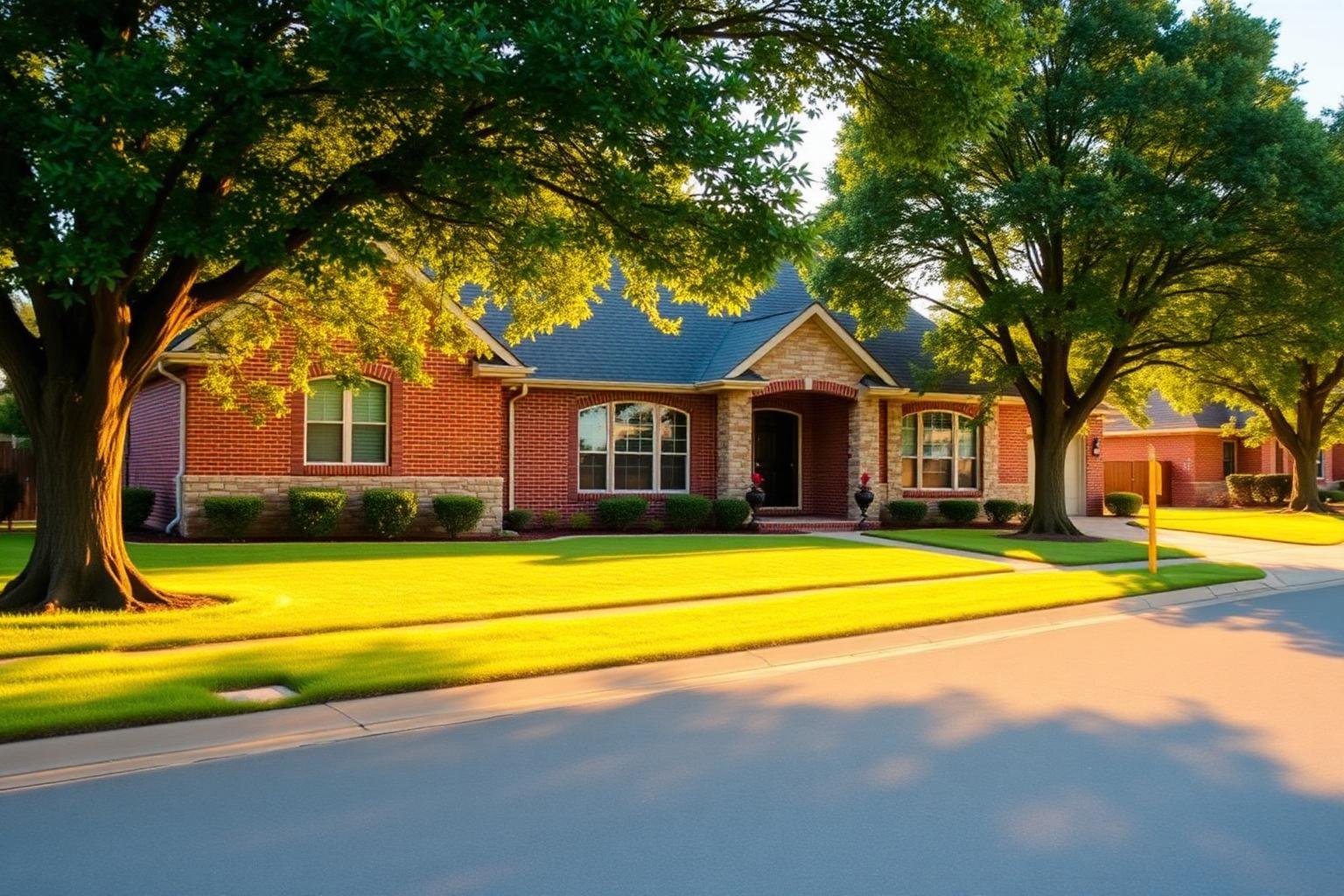
  • Turley Tulsa: Stunning Homes, Affordable Living & Essential Things to Know

    Turley Tulsa: What to Know About Homes, Daily Life, and Remodeling Opportunities

    Turley Tulsa is a small residential community in north Tulsa County with a distinct identity, older housing stock, and a more spacious feel than many in-town neighborhoods. For people researching living in Turley Tulsa, the area can be appealing because it offers access to the Tulsa region while retaining a semi-rural setting and a range of generally modestly sized homes. Understanding the location, housing patterns, roads, services, and renovation potential can make it easier to decide whether the Turley neighborhood fits your plans.

    Where Is Turley Located?

    Turley is north of the Tulsa urban core, along and near U.S. Highway 75. The community is commonly associated with the area around North Peoria Avenue, East 56th Street North, East 66th Street North, and nearby roads leading toward Skiatook and the northern Tulsa County countryside.

    Although Turley has a Tulsa mailing address in many locations, it is not a conventional downtown-adjacent Tulsa neighborhood. Its surroundings include residential streets, open land, small commercial properties, and larger rural parcels. U.S. 75 provides the primary north-south connection, while Peoria Avenue and other arterial roads connect residents with north Tulsa and the rest of the metro area.

    The location also places Turley within reach of destinations such as Mohawk Park, the Tulsa Zoo, Oxley Nature Center, and the commercial areas along North Yale Avenue and East Pine Street. Access to these places depends on the specific property and route, but residents can reach a broader range of shopping, dining, medical, and employment services by traveling into Tulsa.

    What Living in Turley Tulsa Is Like

    Daily life in Turley tends to feel less urban than life in central Tulsa. Many properties have more land than a typical city lot, and some streets have a rural-residential character. The area includes long-established homes as well as properties that have been expanded, remodeled, or replaced over time.

    That variety is one of the defining features of the Turley neighborhood. One block may include compact postwar houses, while another has larger lots, manufactured homes, outbuildings, or more recently updated residences. Buyers should evaluate each property individually rather than assuming all homes share the same condition or layout.

    Turley can be a practical choice for homeowners who value room for a workshop, garden, recreational equipment, or additional outdoor storage. At the same time, rural-style properties may require more attention to driveways, drainage, fencing, exterior structures, and utility systems than a standard subdivision home.

    Turley Homes: Styles, Lots, and Floor Plans

    The selection of Turley homes reflects the community’s long development history. Common characteristics may include:

    – One-story ranch-style houses
    – Older cottages and compact frame homes
    – Brick or brick-and-siding exteriors
    – Three-bedroom, one- or two-bath layouts
    – Larger lots than those found in many newer subdivisions
    – Detached garages, sheds, workshops, or covered parking
    – Floor plans with separated kitchens, dining areas, and living rooms

    Some homes have layouts that were designed for an earlier period, with smaller kitchens, limited closet space, narrow hallways, and fewer electrical outlets. Original bathrooms may also have dated fixtures, older ventilation, or inefficient storage.

    These characteristics can create opportunities for buyers who want to improve a home gradually. A well-planned renovation can modernize the interior without removing the features that give an older property its individual character. In other cases, an addition or a more extensive reconfiguration may be the best way to make the house work for current household needs.

    Roads, Services, and Nearby Destinations

    U.S. 75 is the most recognizable transportation route near Turley. It connects north Tulsa County with the Tulsa area and provides a direct route toward communities farther north. North Peoria Avenue is another important corridor, while local roads provide access to individual residential areas.

    For recreation, Mohawk Park is a major nearby destination. The park includes the Tulsa Zoo, Oxley Nature Center, trails, and open spaces. The area also provides access to other north Tulsa parks and outdoor spaces, although amenities vary by location.

    Shopping and dining options are more concentrated along major roads in Tulsa rather than within a dense commercial district in Turley itself. Residents typically travel toward north Tulsa, East Pine Street, North Yale Avenue, or other established retail corridors for a wider selection of groceries, restaurants, home improvement supplies, and professional services.

    Homeownership Considerations in the Turley Area

    Older and semi-rural housing can offer flexibility, but ownership also calls for careful evaluation. A buyer considering Turley real estate may want to pay particular attention to:

    – Roof age and drainage patterns
    – Foundation movement or moisture concerns
    – Plumbing and electrical updates
    – Heating and cooling system age
    – Insulation and energy efficiency
    – Septic or private utility conditions where applicable
    – Driveway, fencing, and outbuilding repairs
    – Water management around additions and exterior structures

    Large lots can be useful, but they may also increase the amount of exterior maintenance. Trees, unpaved areas, detached structures, and older fences all require ongoing care. A house that appears affordable at purchase may need a realistic improvement budget for systems, finishes, and site work.

    The condition of the surrounding properties can also matter. In a community with varied home types and lot sizes, the immediate street and neighboring parcels may differ considerably. Buyers should consider not only the interior but also access, parking, drainage, exterior upkeep, and the long-term practicality of the property.

    Why Remodeling Can Make Sense in Turley

    Many homeowners choose to renovate because the location and lot work for them, even when the existing floor plan does not. Moving may mean giving up land, familiar surroundings, workshop space, or a manageable purchase price. Remodeling can address the shortcomings of an older home while preserving those advantages.

    Common projects for Turley properties include:

    Updating Older Kitchens

    A kitchen remodel can improve storage, lighting, work areas, and appliance placement. In older homes, replacing worn cabinets and countertops may be only part of the solution. Reworking the layout can create better circulation between the kitchen, dining room, and living areas while updating electrical, plumbing, and ventilation systems.

    Improving Bathrooms and Primary Suites

    Older homes often have limited bathroom space or a single bathroom serving the entire household. A bathroom renovation can introduce better storage, modern fixtures, improved lighting, and more accessible features. Where the footprint allows, homeowners may also consider creating a more functional primary suite or enlarging an existing bedroom.

    Reconfiguring or Expanding the Home

    Some Turley homes have separate rooms that no longer match how families live. A renovation might open selected walls, create a larger gathering area, add a mudroom, or improve the connection to an outdoor space. For homes with adequate land, an addition could provide a larger bedroom, home office, expanded kitchen, or family room without requiring a move.

    Addressing Long-Term Accessibility

    Single-story homes can be strong candidates for aging-in-place improvements. Wider doorways, curbless showers, improved lighting, lever-style hardware, and safer transitions can make a home more comfortable over time. These updates may be especially valuable when homeowners plan to remain in the property for many years.

    Castle Remodels serves homeowners throughout the Greater Tulsa area, including those evaluating kitchen remodeling, bathroom renovations, additions, and larger whole-home improvements. A project should begin with a clear assessment of the existing structure, the desired layout, and the budget needed for both visible finishes and behind-the-walls work.

    Is Turley Right for You?

    Turley Tulsa offers a different housing experience from newer suburban developments and denser Tulsa neighborhoods. Its homes may provide larger lots, older architectural details, and room for improvements, but they can also require more hands-on maintenance and thoughtful planning.

    For buyers, the right property will depend on condition, access, utilities, lot characteristics, and renovation goals. For current owners, remodeling can be a practical way to make an older Turley home more comfortable while retaining the location and land that attracted them in the first place.

    If you are considering a kitchen remodel, bathroom remodel, home addition, or larger renovation in Turley or elsewhere in the Greater Tulsa area, contact Castle Remodels to discuss your project and explore the possibilities for your home.

  • Turner Park Tulsa: Stunning Benefits of Living in This Best-Loved Neighborhood

    Turner Park Tulsa: Why Homeowners Appreciate This Established North Tulsa Neighborhood

    Turner Park Tulsa is an established residential neighborhood in north Tulsa, located near the 36th Street North and Harvard Avenue area. For people researching homes, remodeling opportunities, and day-to-day life in the city, the Turner Park neighborhood offers a closer look at older Tulsa housing, mature residential streets, and the practical advantages of staying near major north Tulsa corridors.

    Getting to Know Turner Park Tulsa

    Turner Park is a residential area shaped by Tulsa’s long history of neighborhood development. Its setting provides access to several important north Tulsa roads, including East 36th Street North, North Harvard Avenue, North Yale Avenue, and nearby sections of U.S. Route 169. These routes connect residents with other parts of Tulsa, commercial services, schools, employment areas, and regional highways.

    The neighborhood’s location is useful for homeowners who want a Tulsa address with access to established city infrastructure rather than a newer subdivision on the metropolitan edge. Daily errands, appointments, and shopping can generally be handled within north Tulsa or through connections to central and east Tulsa.

    The exact experience of living in Turner Park Tulsa can vary from one block to the next, as it does in many older city neighborhoods. Still, the area is primarily residential, with homes set along streets that reflect the scale and planning of an earlier period of Tulsa growth.

    What Turner Park Homes Are Like

    Turner Park homes commonly reflect mid-century and postwar construction, although the neighborhood includes variation in age, size, and condition. Buyers may encounter single-story houses, traditional ranch-style layouts, modest cottages, and other practical designs associated with established Tulsa neighborhoods.

    Common characteristics can include:

    – Brick or brick-and-siding exteriors
    – One-story floor plans
    – Separate kitchens and dining areas
    – Attached or detached garages
    – Hardwood flooring beneath older carpet
    – Mature trees and established landscaping
    – Smaller or moderate-sized lots
    – Basements, enclosed porches, or additions in some homes

    Many houses from this era were designed around defined rooms rather than today’s preference for large open-concept spaces. Kitchens may be compact, storage may be limited, and bathrooms may retain older fixtures or layouts. At the same time, these homes often provide solid proportions and straightforward floor plans that can support thoughtful updates.

    For buyers considering Turner Park real estate, the condition of the individual property matters as much as its overall style. A well-maintained home may require primarily cosmetic work, while another may need improvements to electrical systems, plumbing, insulation, windows, roofing, or heating and cooling equipment.

    Daily Life and Nearby Conveniences

    Living in Turner Park Tulsa places residents within reach of everyday services across north Tulsa. Nearby commercial corridors along East 36th Street North and North Harvard Avenue provide access to groceries, restaurants, retail, professional services, and other routine necessities.

    The neighborhood also offers access to larger Tulsa destinations by road. Residents can travel toward downtown Tulsa, the Pearl District, the University of Tulsa area, and east Tulsa through the city’s connected street network. U.S. Route 169 provides a major north-south route for reaching other parts of the metro area.

    Outdoor recreation is available through Tulsa’s broader park system. Mohawk Park, one of the city’s largest recreational areas, is located northeast of Turner Park and includes the Tulsa Zoo, Oxley Nature Center, trails, and open space. The destination is particularly relevant to homeowners who value access to nature and outdoor activities without leaving the city.

    Turner Park is also within reach of established Tulsa institutions and cultural destinations, including the Tulsa Air and Space Museum & Planetarium near Mohawk Park and downtown’s museums, events, restaurants, and entertainment venues. The neighborhood itself is residential, but its location makes it possible to use a wide range of city amenities.

    Homeownership Considerations in an Older Tulsa Neighborhood

    Established homes can offer flexibility, but ownership often involves more than choosing finishes and arranging furniture. Buyers and homeowners should think about how a house’s age affects maintenance and future improvements.

    Important considerations for Turner Park homes may include:

    – The condition and capacity of the electrical panel
    – Plumbing materials and supply lines
    – Drainage around the foundation
    – Roof age and attic ventilation
    – Window performance and exterior doors
    – Insulation levels
    – Heating and air-conditioning equipment
    – Garage access and storage capacity
    – Previous additions or enclosed spaces

    Older homes can also have appealing details that are difficult to reproduce in newer construction, such as mature trees, larger room proportions, built-in features, and established streetscapes. Updating those homes can preserve their character while making them more practical for current household needs.

    For anyone reviewing Turner Park real estate, a professional inspection and a realistic improvement budget can help distinguish manageable projects from larger structural or systems-related work. Homeowners who already live in the area may prefer phased renovations, completing the most important improvements first and addressing cosmetic work over time.

    Remodeling Possibilities for Turner Park Homes

    Updating Older Floor Plans Without Losing Character

    Remodeling in the Turner Park neighborhood often begins with the kitchen. A kitchen renovation can improve storage, lighting, work surfaces, appliances, and circulation while preserving the home’s original scale. Depending on the layout, homeowners may remove a non-load-bearing wall, widen a doorway, or create a better connection between the kitchen and dining area.

    Bathroom remodeling is another practical improvement. Older bathrooms may benefit from updated plumbing fixtures, improved ventilation, new tile, better lighting, and more accessible layouts. A carefully planned renovation can make a small bathroom feel more functional without requiring a major expansion.

    Other projects that may suit Turner Park homes include:

    – Replacing dated flooring and finishes
    – Adding built-in storage
    – Improving laundry areas
    – Converting underused rooms into offices or guest spaces
    – Updating enclosed porches or additions
    – Creating a more functional primary bedroom
    – Improving accessibility with wider doors or curbless showers
    – Adding insulation and energy-efficient windows
    – Reworking garages for storage or workshop use

    Some homeowners may also consider an addition when the existing footprint cannot accommodate changing needs. A primary suite, expanded kitchen, family room, or carefully designed rear addition can provide additional space while allowing the homeowner to remain in a familiar neighborhood.

    Why Homeowners May Choose to Renovate Instead of Move

    Moving can mean giving up a location, yard, street, or community connection that already works well. It also involves preparing a property for sale, purchasing another home, relocating, and adapting to a new area. For owners who like their Turner Park location but need a more functional house, remodeling may offer a practical alternative.

    Renovation can address specific problems without requiring a complete change in lifestyle. A kitchen remodel may improve everyday use, while a bathroom update or addition can support long-term comfort. In some cases, a whole-home renovation is appropriate; in others, a sequence of smaller projects delivers the best result.

    The right approach depends on the home’s structure, existing systems, budget, and the owner’s plans. A design-build remodeling company can help connect those factors before construction begins.

    Remodeling Support for Homeowners in Turner Park Tulsa

    Turner Park homes can provide a strong foundation for improvements that respect their original character while meeting modern expectations. Castle Remodels serves homeowners throughout the Greater Tulsa area with kitchen remodeling, bathroom remodeling, additions, and larger home renovation projects.

    If you are considering an update in the Turner Park neighborhood, contact Castle Remodels to discuss your kitchen remodel, bathroom remodel, addition, or whole-home renovation plans. A thoughtful project can help your Tulsa home work better for the way you live today.

  • Reservoir Hill Tulsa: The Ultimate Guide to Effortless Living

    Reservoir Hill Tulsa: An Effortless Guide to Homes, Location, and Remodeling

    Reservoir Hill Tulsa is a residential area associated with the hills and older neighborhoods north of downtown Tulsa. For people researching living in Reservoir Hill Tulsa, the appeal is often connected to its established setting, access to major city destinations, and housing with more individual character than newer suburban construction. Buyers and homeowners considering Reservoir Hill homes will find that the area deserves a closer look at its architecture, streets, transportation options, and renovation potential.

    Getting to Know the Reservoir Hill Neighborhood

    Reservoir Hill is generally associated with the elevated residential areas north of downtown Tulsa, near the historic reservoir and the neighborhoods surrounding North Peoria Avenue and East Pine Street. The exact boundaries used for the Reservoir Hill neighborhood can vary by source, but its location places residents within reach of downtown, the Pearl District, Kendall Whittier, and other central Tulsa destinations.

    The area has a long-established residential character rather than the uniform appearance of a newer subdivision. Streets include a mix of older homes, mature landscaping, and varying lot configurations. That variety is important for anyone comparing Reservoir Hill real estate: two nearby properties may differ significantly in layout, condition, additions, parking, and architectural details.

    Living in this part of Tulsa can suit homeowners who want a city location without giving up the space and individuality often associated with older houses. At the same time, established homes may require more careful inspection and ongoing maintenance than recently built properties.

    What Reservoir Hill Homes Are Like

    Housing in and around Reservoir Hill commonly reflects Tulsa’s earlier periods of residential development. Depending on the street, buyers may encounter traditional single-story homes, cottages, ranch-style layouts, and other mid-century or older designs. Some properties have been updated over the years, while others retain original cabinetry, flooring, windows, bathrooms, or mechanical systems.

    Common characteristics may include:

    – Separate living and dining areas
    – Compact or enclosed kitchens
    – Hardwood floors beneath older finishes
    – Smaller closets and limited built-in storage
    – Detached garages, carports, or driveway parking
    – Mature trees and established yards
    – Additions that changed the original floor plan

    Older layouts can offer attractive proportions and architectural details, but they may not match the way many households live today. Kitchens may be closed off from the main living areas, bathrooms may be limited in number, and utility or storage space may be difficult to access.

    For buyers, the most useful approach is to evaluate the home as both a finished property and a potential long-term project. The right house may not have every desired feature at purchase, but it may offer a workable structure, a good lot, and opportunities for thoughtful improvements.

    Roads, Access, and Nearby Tulsa Destinations

    North Peoria Avenue is one of the primary north-south routes near Reservoir Hill, connecting the area with central Tulsa and neighborhoods farther north. East Pine Street and other east-west streets provide additional access across the surrounding area. Downtown Tulsa is nearby, with connections to the central business district, the Tulsa Arts District, and the Greenwood District.

    The area also offers access to several recognizable Tulsa destinations:

    – Downtown offices, restaurants, events, and entertainment
    – The Tulsa Arts District and Greenwood District
    – Kendall Whittier’s local businesses and cultural venues
    – Tulsa’s extensive park and trail network
    – Shopping and services along major commercial corridors
    – River Parks and the Arkansas River area, reached by traveling west or south through the city

    Commuting patterns will depend on the destination and time of day, but the neighborhood’s central location gives residents multiple routes into downtown and other parts of Tulsa. Home shoppers should consider not only the drive to work but also access to grocery shopping, schools, healthcare, recreation, and regular errands.

    The Everyday Experience of Living in Reservoir Hill Tulsa

    The daily experience in the Reservoir Hill neighborhood is shaped by its established homes and proximity to central Tulsa. It is not a master-planned community with identical streetscapes or a single commercial center. Instead, the area connects to the broader city through nearby roads, adjacent neighborhoods, and downtown districts.

    That arrangement can be useful for homeowners who prefer access to urban amenities without living in a high-rise or dense mixed-use setting. A typical day might include a short trip downtown, an errand along Peoria, or time spent improving and maintaining a property with a distinct history.

    The tradeoff is that older neighborhoods require attention to details that are less common in new construction. Drainage, foundation movement, electrical updates, plumbing, roof condition, insulation, and window performance can all affect ownership costs. A professional inspection and a realistic repair budget are important parts of evaluating any Reservoir Hill property.

    Homeownership Considerations in an Established Area

    Older Tulsa homes can have strong structural bones, but condition varies from house to house. Before purchasing or planning major work, homeowners should understand how the existing property is built and what previous renovations may have changed.

    Important considerations can include:

    Floor plan and structural changes

    Removing walls or enlarging openings may improve a dated layout, but some walls support the roof or upper structure. Renovation planning should account for structural requirements, ceiling heights, plumbing locations, and electrical capacity.

    Water management and exterior maintenance

    Older homes benefit from careful attention to gutters, grading, drainage, roof flashing, siding, masonry, and foundation conditions. Resolving moisture issues before interior remodeling can prevent damage to new finishes.

    Energy efficiency

    Insulation, air sealing, windows, doors, and heating and cooling systems may need improvement. Energy upgrades can also make older rooms more comfortable throughout Tulsa’s hot summers and changing winter temperatures.

    Storage and daily function

    Many established homes were designed around smaller appliances, smaller wardrobes, and different household routines. Adding pantry storage, laundry organization, built-ins, or better closet systems can make a noticeable difference without changing the home’s character.

    Remodeling Opportunities for Reservoir Hill Homes

    Remodeling is one reason homeowners choose to remain in the Reservoir Hill area instead of moving. A property may have a location and lot that work well, even when the interior no longer fits the household.

    For homeowners planning improvements, realistic projects may include:

    – Updating a closed-in kitchen with better circulation and storage
    – Replacing outdated bathroom fixtures, tile, lighting, and ventilation
    – Reconfiguring rooms to create a more functional main living area
    – Adding a primary bathroom or improving an existing suite
    – Building a modest addition for an office, bedroom, laundry room, or family space
    – Improving accessibility with wider doors, safer bathrooms, and reduced-step entries
    – Creating custom storage in underused hallways, closets, or attic areas
    – Completing a whole-home renovation while preserving worthwhile original details

    Kitchen remodeling is often especially valuable in older Tulsa homes because the kitchen can be undersized or disconnected from the rest of the house. A well-planned renovation can improve workflow, add storage, and update electrical and plumbing systems while respecting the home’s proportions.

    Bathroom remodeling may address both appearance and performance. Improved ventilation, durable surfaces, better lighting, and accessible layouts can make an older bathroom more practical for everyday use. For larger projects, an addition or whole-home renovation may provide the space needed without leaving a neighborhood homeowners already know and enjoy.

    Castle Remodels serves homeowners throughout the Greater Tulsa area, including those planning updates to established properties near Reservoir Hill. The right remodeling plan should begin with the home’s existing structure, the owner’s priorities, and a clear understanding of how the finished space will be used.

    Is Reservoir Hill Right for Your Plans?

    Reservoir Hill Tulsa offers a central residential setting, varied older housing, and access to downtown and nearby Tulsa districts. The area may appeal to buyers who value individuality, established streets, and the opportunity to improve a home over time.

    For current homeowners, remodeling can be a practical alternative to moving when the location and basic structure are right but the interior needs modernization. If you are considering a kitchen remodel, bathroom remodel, home addition, or larger renovation near Reservoir Hill, contact Castle Remodels to discuss your project and explore a plan suited to your home.

  • Lake Yahola Tulsa: Essential Guide to Effortless Neighborhood Living

    Lake Yahola Tulsa: A Practical Guide to Neighborhood Living and Home Updates

    Lake Yahola Tulsa is a residential area on the city’s north side, centered around Lake Yahola and the surrounding neighborhoods near North Cincinnati Avenue, East Pine Street, and the Mohawk Boulevard area. For people researching homes near outdoor recreation while remaining connected to Tulsa’s established road network, the Lake Yahola neighborhood offers a distinct setting with a mix of older housing, mature surroundings, and access to several north Tulsa destinations.

    Getting to Know the Lake Yahola Neighborhood

    Lake Yahola is best known for its namesake reservoir and the green space around it. The lake is part of the city’s water system and is also associated with open areas, walking routes, and a more natural landscape than many traditional residential blocks. The nearby neighborhoods are primarily residential, with local streets branching out from major north Tulsa routes.

    The character of living in Lake Yahola Tulsa depends on the specific street and home. Some properties sit near the lake and open land, while others are located in more conventional residential sections with nearby commercial corridors. The area has a long-established feel, and many homes reflect construction styles common in Tulsa during the middle decades of the twentieth century.

    Residents typically use North Cincinnati Avenue, North Peoria Avenue, East Pine Street, and nearby connecting roads to reach other parts of Tulsa. Downtown Tulsa is south of the neighborhood, while destinations on the city’s north and east sides can be reached through the broader arterial network. The proximity to major streets is useful for errands, work, and appointments, although traffic and travel conditions vary by time of day.

    Home Styles and Property Characteristics

    Lake Yahola homes commonly include detached single-family properties on traditional residential lots. Depending on the block, buyers may encounter compact ranch-style houses, cottages, one-story brick homes, and other mid-century designs. Some properties have basements, carports, detached garages, or enclosed additions, while others feature simpler layouts and smaller footprints.

    Several characteristics are common in established Tulsa housing:

    – Separate kitchens and dining areas rather than open-concept plans
    – Hardwood floors beneath carpeting or older floor coverings
    – Original or lightly updated bathrooms
    – Modest bedroom sizes
    – Mature trees and established landscaping
    – Covered porches, patios, or screened outdoor areas
    – Older electrical, plumbing, insulation, or heating and cooling systems

    These features can give a home useful character, but they also make a thorough evaluation important. A house that appears move-in ready may still need improvements to windows, drainage, roofing, mechanical systems, or interior finishes. On the other hand, older construction often provides a solid starting point for a thoughtful renovation.

    Lake Yahola real estate can vary considerably from one property to the next. Buyers should look beyond listing photos and consider the home’s floor plan, lot layout, storage, parking, and renovation history. Those factors often have more practical importance than surface-level cosmetic updates.

    Recreation, Shopping, and Nearby Destinations

    Lake Yahola itself is the defining outdoor feature of the area. Its surrounding landscape provides a change from dense commercial development and gives nearby residents access to open space. The lake and adjoining areas can be especially appealing to homeowners who value outdoor views and a residential setting with a nearby natural landmark.

    The neighborhood is also within reach of north Tulsa shopping and services along major streets such as Pine Street, Peoria Avenue, and nearby Admiral Boulevard corridors. Everyday needs—including groceries, household services, restaurants, and professional appointments—are generally handled through these commercial routes rather than within a concentrated walkable district.

    For additional recreation and entertainment, residents can travel south toward downtown Tulsa, the Tulsa Arts District, Greenwood, and the Tulsa Gathering Place area. Mohawk Park and the Tulsa Zoo are also important north Tulsa destinations, offering larger recreational spaces and family attractions. Travel times depend on the route, traffic, and exact location, but the neighborhood’s road connections make these destinations accessible by car.

    What Homeownership Can Require

    Owning an established home near Lake Yahola often involves more than updating paint and flooring. Older properties may have been remodeled in stages, creating a mix of original construction and newer work. Before planning major improvements, homeowners should understand how the structure, utilities, drainage, and previous additions work together.

    Common ownership considerations include:

    Maintenance and Exterior Planning

    Mature trees can add shade and visual appeal, but they may also affect roofs, foundations, gutters, and underground utilities. Proper drainage is particularly important around older homes, especially where grading, downspouts, or patios have changed over time.

    Exterior projects may include roof replacement, siding or brick repairs, window updates, porch improvements, garage work, and better connections between indoor and outdoor spaces.

    Layout and Storage

    Many older Lake Yahola houses were designed around smaller, separated rooms. Closets and kitchen storage may also be limited by today’s standards. Homeowners often gain more value from reworking the existing layout than from simply replacing finishes.

    A renovation may involve removing a non-load-bearing wall, improving the connection between the kitchen and dining room, building custom storage, or converting an underused area into a home office, laundry room, or mudroom.

    Remodeling Opportunities for Lake Yahola Homes

    Remodeling Lake Yahola homes requires a balance between the property’s original proportions and the way the household uses it today. A complete renovation is not always necessary. In many cases, targeted improvements can make the home more functional while preserving its recognizable character.

    Kitchen remodeling is one of the most practical options for older houses in the area. Updates may include better cabinet storage, improved lighting, durable countertops, a more efficient work triangle, and a revised connection to adjacent dining or living spaces. If the existing kitchen is enclosed, a partial opening may provide a more comfortable layout without removing every wall.

    Bathroom remodeling can address outdated fixtures, limited storage, poor lighting, and accessibility concerns. Homeowners may also use the project to improve ventilation, replace aging plumbing components, install a larger shower, or create a more functional primary bathroom.

    Other renovation possibilities include:

    – Finishing or improving basements where appropriate
    – Adding a primary suite or expanding an existing bedroom
    – Converting enclosed porches into usable living space
    – Building a rear addition for dining, laundry, or family space
    – Improving entryways and coat storage
    – Replacing dated finishes throughout the home
    – Creating aging-in-place features such as wider clearances and curbless showers
    – Updating multiple rooms through a coordinated whole-home renovation

    Homeowners may choose to remodel instead of move because the property already has a useful location, a suitable lot, or features that would be difficult to replace. A renovation can also address specific problems—such as a cramped kitchen or inadequate storage—without requiring the disruption and expense of selling and buying another home.

    Castle Remodels serves homeowners throughout the Greater Tulsa area, including those evaluating kitchen remodels, bathroom renovations, additions, and larger home improvement projects. A careful design and construction plan can help align the renovation with the home’s structure, the lot, and the way the household wants to live.

    Is Living in Lake Yahola Tulsa a Good Fit?

    Living in Lake Yahola Tulsa may suit homeowners who want a north Tulsa location, established housing, and access to a prominent outdoor area without choosing a newer suburban subdivision. The neighborhood’s homes vary in condition and design, so the right fit depends on each property’s layout, maintenance needs, and renovation potential.

    For buyers, the most useful questions involve the individual home: Does the floor plan work? Are major systems updated? Is the lot practical? Could the kitchen, bathroom, or storage be improved? For current homeowners, those same questions can help determine whether a focused renovation or broader remodel makes sense.

    Lake Yahola combines older residential housing with proximity to lake-side open space, north Tulsa services, and major city destinations. If you are considering a kitchen remodel, bathroom remodel, home addition, or larger renovation in the area, contact Castle Remodels to discuss your Lake Yahola project.

  • Hunter Park Tulsa: The Ultimate Guide to Affordable Neighborhood Living

    Hunter Park Tulsa: A Practical Guide to Affordable Neighborhood Living

    Hunter Park Tulsa is a residential area in north Tulsa that appeals to buyers looking for established homes, manageable lots, and a location connected to the rest of the city. For anyone researching living in Hunter Park Tulsa, the neighborhood offers a useful combination of older housing stock, everyday access to major roads, and opportunities to improve a home over time.

    Because Hunter Park homes were generally built for practical family living rather than modern open-concept design, the area can be especially relevant to buyers interested in homeownership, remodeling, or purchasing a property with room to personalize.

    Getting to Know the Hunter Park Neighborhood

    Hunter Park is located in north Tulsa, within the broader area north of downtown and east of the Tulsa International Airport vicinity. The neighborhood is part of Tulsa’s established residential landscape, where streets are primarily lined with single-family homes and mature residential development.

    Nearby north Tulsa routes provide access toward downtown, the airport, retail corridors, and surrounding parts of the metro. Apache Street, Pine Street, Yale Avenue, and Memorial Drive are among the major roads serving the wider area. Actual travel routes depend on the specific property, but residents generally use the city’s north-south and east-west streets to connect with employment, shopping, schools, and services across Tulsa.

    The setting is more residential than commercial. Daily errands may take residents toward nearby retail areas rather than being concentrated within the neighborhood itself. That layout is typical of many older Tulsa neighborhoods, where homes occupy interior streets and larger roads provide access to businesses and services.

    What Living in Hunter Park Tulsa Is Like

    Living in Hunter Park Tulsa tends to center on homeownership and neighborhood routines rather than a highly walkable district atmosphere. The area includes established streets, detached houses, and properties that reflect the construction practices and floor plans common in earlier decades.

    Homes may vary from modest starter properties to larger residences with additional bedrooms or flexible living areas. Lot sizes and landscaping differ from block to block, but many properties offer yards that can support outdoor seating, gardens, play areas, workshops, or future additions.

    The neighborhood’s age is an important part of its character. Buyers may find homes with original cabinetry, older bathrooms, enclosed patios, wood paneling, dated flooring, or separate kitchen and living areas. Those features are not necessarily drawbacks. They can also create a starting point for a renovation that improves function without requiring a move to a newer subdivision.

    For homeowners, the experience of the neighborhood is often shaped by the individual property. A well-maintained house with updated systems may offer a very different ownership experience from one that needs substantial work. A careful inspection and realistic renovation plan are important parts of evaluating Hunter Park real estate.

    Hunter Park Homes: Styles, Layouts, and Renovation Potential

    Many Hunter Park homes reflect mid-century and postwar residential construction, with practical layouts designed around clearly separated rooms. Common characteristics may include:

    – One-story ranch-style plans
    – Brick or brick-and-frame exteriors
    – Three-bedroom layouts
    – Detached garages or driveways
    – Compact kitchens with limited cabinet space
    – Separate dining rooms or living areas
    – Hall bathrooms serving multiple bedrooms
    – Fenced backyards and covered patios

    Not every property shares the same design, and remodeling potential depends on the home’s structure, condition, and previous alterations. Still, older houses often provide opportunities to make targeted improvements that have a noticeable effect on daily life.

    A kitchen may be functional but short on storage. A bathroom may need updated plumbing fixtures, lighting, ventilation, or accessible features. A dining room could potentially become a larger kitchen area, office, or flexible family space, depending on the floor plan and structural requirements.

    Homebuyers should also pay attention to roof condition, electrical service, plumbing, heating and cooling equipment, windows, drainage, and foundation performance. These systems can have a greater effect on long-term ownership costs than cosmetic finishes.

    Roads, Shopping, and Nearby Recreation

    Hunter Park residents have access to the broader network of north Tulsa roads and services. Major routes such as Apache Street, Pine Street, Yale Avenue, and Memorial Drive help connect the neighborhood with downtown Tulsa, north-side commercial areas, and other parts of the metropolitan area.

    Shopping and dining options are available along larger commercial corridors in north and east Tulsa. Depending on the destination, residents may travel to established retail centers, grocery stores, restaurants, and service businesses outside the immediate residential streets.

    Outdoor and recreational opportunities are also spread throughout the surrounding city. Mohawk Park and the Tulsa Zoo are recognizable destinations in north Tulsa, offering open space, trails, gardens, and family-oriented attractions. The nearby Tulsa International Airport is another significant landmark, particularly for residents who travel regularly or work in the airport area.

    Downtown Tulsa is within the wider urban area and provides access to offices, restaurants, entertainment venues, museums, and events. The exact distance and route vary by location, but Hunter Park’s north Tulsa setting keeps those destinations accessible by city streets and major connecting roads.

    Homeownership Considerations in an Established Tulsa Neighborhood

    Hunter Park real estate can be appealing to buyers who prefer an existing Tulsa neighborhood over a newly built subdivision. Older properties may offer larger rooms, mature landscaping, and established utility connections, but they can also require more active maintenance.

    Before purchasing, prospective owners should consider:

    – The age and condition of major mechanical systems
    – Whether the electrical panel and wiring meet current needs
    – Plumbing materials and water pressure
    – Roof age and attic ventilation
    – Drainage around the foundation
    – Insulation and energy efficiency
    – Previous additions or structural changes
    – The potential cost of updating kitchens and bathrooms

    A lower purchase price does not always mean a lower total cost of ownership. On the other hand, not every older home needs a complete renovation. Some properties benefit from a phased approach: address safety and performance issues first, then improve the spaces that matter most to the household.

    Why Homeowners May Remodel Instead of Move

    Moving can involve selling costs, financing changes, relocation expenses, and the challenge of finding another home with the right lot and location. In Hunter Park, homeowners may already value their street, yard, nearby connections, or familiarity with the area.

    Remodeling can make it possible to stay while adapting the house to changing needs. A family may need a more functional kitchen, while another homeowner may want a larger primary suite, improved storage, or a bathroom that is easier to use long term.

    Renovation also allows owners to address several issues together. For example, a kitchen project may include improved lighting, new flooring, updated electrical work, better ventilation, and a revised layout rather than simply replacing cabinets and countertops.

    Remodeling Opportunities for Hunter Park Homes

    The design of many older Hunter Park homes creates several realistic renovation paths. Kitchen remodeling is often a priority because original kitchens may have limited storage, small work areas, and dated finishes. Reconfiguring the kitchen or opening part of the wall to an adjacent dining or living area can make the home feel more connected while preserving its original character.

    Bathroom remodeling can improve comfort, lighting, ventilation, storage, and accessibility. Homeowners may choose to replace worn finishes, revise the shower layout, add a double vanity, or plan for aging in place with features such as wider clearances and low-threshold showers.

    Other potential projects include:

    – Converting underused rooms into offices or flexible living spaces
    – Adding storage through built-ins, mudroom features, or closet improvements
    – Updating an enclosed patio or rear addition
    – Expanding a primary bedroom or creating a more functional suite
    – Improving insulation, lighting, and interior finishes
    – Building an addition when the existing footprint no longer works

    Castle Remodels serves homeowners throughout the Greater Tulsa area, including those evaluating improvements to established properties such as Hunter Park homes. A project can be planned around the home’s existing structure, the owner’s budget, and the way the household uses each room.

    Is Hunter Park Tulsa a Good Fit?

    Hunter Park Tulsa may suit buyers who appreciate established residential streets, older home construction, and the ability to personalize a property over time. The neighborhood is worth considering for people who want access to north Tulsa roads and destinations while remaining in a traditional single-family setting.

    For current homeowners, the area’s housing stock provides plenty of opportunities to improve layout, comfort, storage, and long-term usability without giving up the location they already know.

    If you are considering a kitchen remodel, bathroom renovation, home addition, or larger whole-home update in Hunter Park or elsewhere in Greater Tulsa, contact Castle Remodels to discuss your project and explore a practical plan for your home.

  • Booker T. Washington Tulsa: Stunning Homes and Effortless Neighborhood Living Guide

    Booker T. Washington Tulsa: Stunning Homes and Effortless Neighborhood Living Guide

    Booker T. Washington Tulsa: A Practical Guide to Homes and Neighborhood Living

    Booker T. Washington Tulsa refers to a historic residential area near Tulsa’s northern downtown and Greenwood districts. For buyers, current homeowners, and anyone researching renovation possibilities, the neighborhood offers a closer look at older Tulsa housing, compact urban lots, and the advantages of living near major destinations without moving to a suburban subdivision.

    Getting to Know the Booker T. Washington Neighborhood

    The Booker T. Washington neighborhood is associated with the area around Booker T. Washington High School and north of downtown Tulsa. It sits near important city corridors, including North Cincinnati Avenue, North Peoria Avenue, East Pine Street, and East Apache Street. Its location also places residents within reach of downtown, the Greenwood District, the Tulsa Arts District, and the Pearl District.

    This is an urban Tulsa neighborhood rather than a master-planned development with uniform streetscapes or one builder’s home designs. The surrounding housing reflects different construction periods, renovations, and individual property histories. That variation is part of what makes researching Booker T. Washington real estate different from comparing newer homes in communities such as Bixby, Jenks, or Broken Arrow.

    Living in Booker T. Washington Tulsa can appeal to people who value proximity to central Tulsa, older homes with individual character, and access to established city streets and services. At the same time, buyers should approach each property on its own merits. Conditions can vary from one block or house to the next, particularly in an area with older construction.

    What Booker T. Washington Homes Are Like

    Many Booker T. Washington homes are older single-family properties with layouts and construction details that differ from newer Tulsa-area housing. Depending on the block, buyers may encounter modest one-story homes, traditional two-story houses, cottages, and properties that have undergone partial or full renovation.

    Common characteristics may include:

    – Compact or moderately sized floor plans
    – Older kitchens and bathrooms
    – Original wood flooring or trim
    – Smaller bedrooms compared with newer construction
    – Detached garages, carports, or limited off-street parking
    – Mature trees and established landscaping
    – Lots that are smaller and more urban than those in newer subdivisions

    Older homes often have details that are difficult to reproduce, such as solid wood doors, plaster accents, built-in storage, and distinctive rooflines. They may also have less efficient mechanical systems, limited closet space, dated electrical components, or plumbing that needs attention. A professional inspection is especially important when evaluating an older property.

    For buyers, the main question is often whether the home’s location and underlying structure support the desired lifestyle. A smaller house may still work well after thoughtful improvements to the kitchen, storage, lighting, or floor plan.

    Transportation and Nearby Tulsa Destinations

    One of the practical advantages of Booker T. Washington Tulsa is its access to central city roads. North Peoria Avenue and North Cincinnati Avenue connect the neighborhood with downtown and north Tulsa, while Pine Street and Apache Street provide east-west routes. Interstate 244 is also nearby, providing connections across the Tulsa metropolitan area.

    Downtown Tulsa is close enough to make its offices, restaurants, events, and cultural attractions part of the neighborhood’s broader setting. The Greenwood District, Tulsa Arts District, Brady District, and Historic Route 66 corridors are also within the central Tulsa area.

    Residents can reach a range of shopping and daily-service options along nearby commercial streets, while larger retail centers are available elsewhere in Tulsa. Outdoor destinations include the Arkansas River trail system and city parks located throughout the central and north Tulsa areas. The exact convenience of each destination depends on the home’s location and preferred route, but the neighborhood’s urban setting puts more of Tulsa within reach than many outlying communities.

    Booker T. Washington High School is a major local landmark and an important part of the area’s identity. As with any property search, school attendance boundaries and enrollment information should be considered separately from the neighborhood name.

    Homeownership Considerations in an Established Area

    Owning one of the Booker T. Washington homes can offer the opportunity to shape an older property over time. It can also require more planning than purchasing a recently built house. A buyer may need to budget for improvements that are not obvious during a quick showing, including:

    – Roof, foundation, or drainage work
    – Electrical and plumbing updates
    – Heating and cooling replacement
    – Insulation and energy-efficiency improvements
    – Window restoration or replacement
    – Exterior painting and siding repairs
    – Kitchen and bathroom modernization

    Older Tulsa homes often benefit from a phased approach. Addressing water intrusion, structural concerns, electrical hazards, and major mechanical systems should generally come before cosmetic work. Once the home is sound, remodeling can focus on comfort, function, and design.

    Lot limitations can also affect project planning. An addition may be possible, but setbacks, access, drainage, parking, and the existing roofline all influence the design. In some cases, improving the current footprint is more practical than expanding outward.

    Why Remodeling Can Make Sense

    Moving is not always the best solution when a home’s location works but its interior does not. Homeowners living in Booker T. Washington Tulsa may choose to remodel because they want to preserve the neighborhood setting while making the house more functional.

    A well-planned renovation can improve daily life through:

    – A more open kitchen and dining arrangement
    – Additional counter space and storage
    – Updated bathrooms with better ventilation and accessibility
    – A larger primary bedroom or improved suite
    – Laundry relocation or utility-room upgrades
    – Better lighting and electrical access
    – Built-in storage for compact floor plans
    – Improved insulation, windows, and interior comfort

    Older homes can present an opportunity to combine original features with modern performance. For example, existing trim or flooring may be restored while the kitchen, lighting, appliances, and mechanical systems are updated. This approach can retain the home’s identity without requiring homeowners to accept an outdated layout.

    Remodeling Booker T. Washington Homes

    Remodeling in the Booker T. Washington neighborhood should begin with the home’s structure, age, and existing layout. A kitchen remodel may involve more than replacing cabinets if walls, plumbing, electrical service, or floor levels need to be addressed. Bathroom renovations may uncover outdated supply lines, ventilation issues, or subfloor damage that should be corrected as part of the project.

    For homes with compact or separated rooms, reconfiguring the floor plan can create a more useful connection between the kitchen, dining area, and living room. Additions may provide space for a primary suite, office, laundry room, or family area, although the design must respond carefully to the lot and the original architecture.

    Castle Remodels serves homeowners throughout the Greater Tulsa area, including those considering improvements to older central Tulsa properties. Whether the project involves a kitchen remodel, bathroom remodel, addition, or larger whole-home renovation, the right planning process can align the design with the home’s existing character and the homeowner’s long-term goals.

    Final Thoughts on Living in Booker T. Washington Tulsa

    Booker T. Washington Tulsa offers an urban residential setting with older homes, varied architecture, and access to downtown-area destinations. Buyers should evaluate each property’s condition, layout, systems, and renovation potential rather than relying only on general neighborhood impressions. For homeowners who like their location but need more space, storage, or modern function, remodeling can be a practical alternative to moving.

    If you are considering a kitchen remodel, bathroom renovation, home addition, or larger update in Booker T. Washington or elsewhere in Greater Tulsa, contact Castle Remodels to discuss your project.