Tag: North Tulsa homes

  • Dunbar Tulsa: Stunning Homes, Affordable Living & Vibrant Neighborhood Lifestyle Guide

    Dunbar Tulsa: Homes, Local Character, and Practical Remodeling Opportunities

    Dunbar Tulsa is a historic residential neighborhood north of downtown, known for its connection to Tulsa’s African American history, older housing stock, and location near some of the city’s most important cultural destinations. For people researching living in Dunbar Tulsa, the area offers a different experience from newer suburban subdivisions: homes often have more architectural character, mature streetscapes, and renovation potential, while downtown amenities are close by.

    Understanding the Dunbar Neighborhood

    The Dunbar neighborhood is located in north Tulsa, near the Greenwood District and the Tulsa Arts District. Its streets sit within an area shaped by generations of Black Tulsans, local institutions, small businesses, churches, and historic landmarks. The neighborhood’s location provides access to major north-south routes, including North Peoria Avenue and North Cincinnati Avenue, as well as nearby downtown streets leading toward the central business district.

    Dunbar is best understood as part of Tulsa’s broader urban residential fabric rather than a master-planned subdivision. Blocks can vary in appearance, and the condition, size, and design of individual properties may differ significantly. That variety is important for buyers comparing Dunbar real estate, particularly those interested in older homes with renovation possibilities.

    Living in Dunbar Tulsa can appeal to homeowners who want a city address, proximity to downtown, and a property with more individuality than many recently built homes. At the same time, purchasing an established home requires careful attention to its structure, mechanical systems, exterior condition, and long-term maintenance needs.

    What Dunbar Homes Are Like

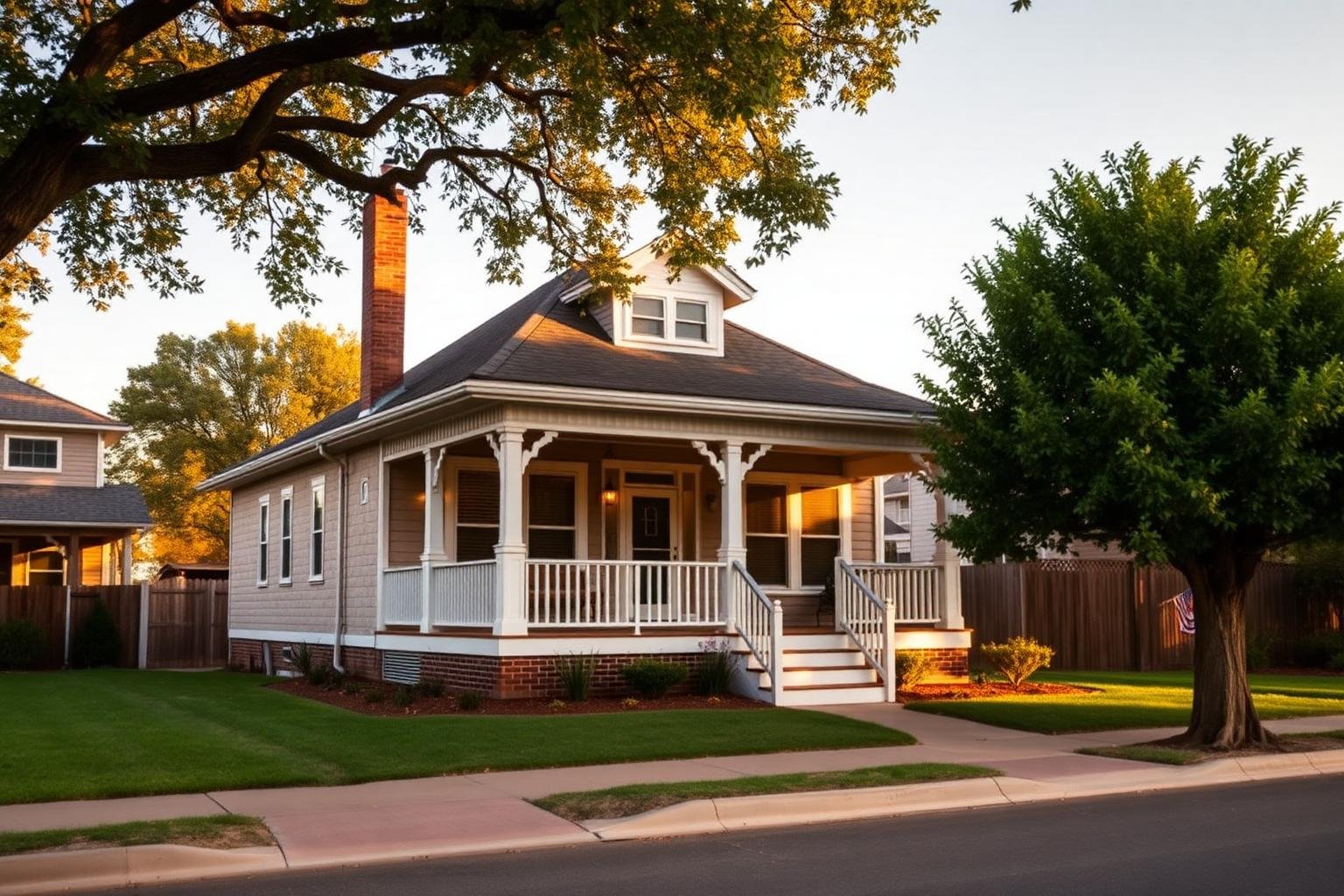
    Dunbar homes commonly reflect the age and development patterns of older Tulsa neighborhoods. Buyers may encounter modest single-story houses, traditional wood-frame residences, brick homes, and properties with simple Craftsman-influenced details. Some houses feature covered front porches, defined living and dining areas, original trim, hardwood flooring, or detached garages.

    Floor plans are often more compartmentalized than those in contemporary construction. Separate kitchens, smaller bathrooms, limited closet space, and narrow transitions between rooms are common considerations. Lot sizes and setbacks can vary from block to block, so homeowners should evaluate each property individually rather than assuming every home shares the same layout or dimensions.

    For buyers, the appeal of Dunbar homes may come from their scale and character. A smaller house can provide a manageable starting point for renovation, while a larger older property may support a more extensive whole-home update. In either case, the most successful improvements usually respect the home’s proportions while addressing modern expectations for storage, lighting, functionality, and energy performance.

    Access, Downtown Connections, and Nearby Destinations

    Dunbar’s north Tulsa location places residents near downtown Tulsa and several recognizable districts. The Greenwood District, the Tulsa Arts District, and the historic Route 66 corridor are all within the broader central Tulsa area. Downtown destinations include the BOK Center, Guthrie Green, Tulsa Performing Arts Center, Tulsa Theater, and ONEOK Field.

    North Peoria Avenue and nearby arterial streets connect the neighborhood with other parts of Tulsa. Depending on the destination, residents can reach shopping, employment centers, medical services, restaurants, entertainment venues, and city services without relying exclusively on suburban commercial corridors.

    The nearby parks and community destinations also contribute to the area’s urban lifestyle. John Hope Franklin Reconciliation Park, located in the Greenwood area, is an important civic and historical site. The Tulsa Arts District provides galleries, restaurants, music venues, and cultural programming, while downtown offers additional events and public spaces.

    Because Dunbar is an urban neighborhood, daily life may feel more connected to city streets, local institutions, and nearby districts than to large retail centers or subdivision amenities. Buyers should consider how they prefer to travel, shop, entertain, and spend time outdoors when evaluating the area.

    Homeownership Considerations in an Established Tulsa Area

    Older homes can offer architectural details and layouts that are difficult to replicate in new construction, but they may also require a more detailed inspection before purchase. Common areas to evaluate include:

    – Roof age and drainage
    – Foundation movement or moisture concerns
    – Electrical service and wiring
    – Plumbing supply and drain lines
    – Heating and cooling equipment
    – Windows, doors, and exterior siding
    – Insulation and ventilation
    – Garages, porches, and other accessory structures

    Some improvements may be cosmetic, such as refinishing floors, repainting, or replacing outdated fixtures. Others can involve significant planning, including electrical upgrades, structural repairs, drainage work, or changes to the floor plan.

    Dunbar real estate may also include properties that have been renovated to varying degrees. A recently updated kitchen does not necessarily mean the entire home has modern systems, and an attractive exterior may conceal deferred maintenance. A thorough review of the home’s condition helps buyers build a realistic ownership and improvement plan.

    Why Renovate Instead of Move?

    For many Dunbar homeowners, remodeling can be a practical alternative to selling and purchasing a different property. The location, lot, neighborhood connections, or original character may be difficult to replace, even when the house no longer fits the household’s needs.

    A renovation can address specific problems without requiring a complete change of address. Homeowners may choose to:

    – Improve an inefficient kitchen layout
    – Add storage to bedrooms, hallways, or entry areas
    – Create a more functional connection between the kitchen and living spaces
    – Update bathrooms while preserving original architectural details
    – Convert underused rooms into offices, guest rooms, or flex spaces
    – Improve accessibility for long-term aging in place
    – Repair and modernize an older home from the inside out

    In an established neighborhood, remodeling also allows the homeowner to make decisions based on the property’s existing strengths. A well-planned update can preserve porch details, woodwork, proportions, and other features while improving comfort and usability.

    Remodeling Ideas for Dunbar Tulsa Homes

    Kitchens, Bathrooms, and Better Use of Space

    Kitchen remodeling is one of the most common opportunities in older Dunbar properties. A renovation might include updated cabinets, improved lighting, durable countertops, better ventilation, and a layout that creates more usable preparation space. In some homes, removing a non-load-bearing wall or widening a doorway can improve movement between the kitchen, dining room, and living area. Structural and utility requirements should be considered before changing the plan.

    Bathrooms may benefit from updated plumbing fixtures, improved ventilation, modern lighting, accessible showers, and storage designed for the room’s actual dimensions. Since older homes often have limited bathroom space, careful planning matters. A targeted renovation can make the room more functional without making it feel oversized or disconnected from the rest of the house.

    Other projects may include a primary suite update, laundry improvements, a rear addition, or a whole-home renovation. Additions can provide space for a larger kitchen, home office, bedroom, or family room when the existing footprint cannot accommodate those needs. Storage improvements are also valuable, particularly in homes built before today’s expectations for closets, pantry space, and organized utility areas.

    Castle Remodels serves homeowners throughout the Greater Tulsa area, including those evaluating kitchen remodeling, bathroom remodeling, additions, and larger residential renovation projects in older Tulsa neighborhoods. A thoughtful design and construction plan can help balance modern function with the character of a Dunbar home.

    Is Dunbar Tulsa Right for You?

    Dunbar Tulsa offers an urban residential setting with historic connections, access to downtown districts, and a range of older homes that may reward thoughtful improvement. The neighborhood is not defined by one uniform housing style or a single development pattern, so buyers and homeowners should focus on the specific property, its condition, and the improvements needed to support their goals.

    For homeowners who value location and character but need more comfortable, functional space, remodeling may provide the right path. To discuss a kitchen remodel, bathroom update, home addition, or whole-home renovation in Dunbar or elsewhere in Greater Tulsa, contact Castle Remodels to begin planning your project.

  • Dawson Tulsa: The Ultimate Guide to Effortless Homeownership

    Dawson Tulsa: A Practical Guide to Comfortable Homeownership

    Dawson Tulsa is a residential area in north Tulsa with a housing history that reflects the city’s older neighborhoods. For buyers, long-time residents, and homeowners planning improvements, understanding the area’s location, housing patterns, and renovation potential can make ownership decisions easier. Living in Dawson Tulsa often means working with an established home rather than a recently built property—and that creates both maintenance responsibilities and opportunities to shape a house around current needs.

    Getting to Know the Dawson Neighborhood

    Dawson is located in the northern part of Tulsa, near the US-169 corridor and major north-south routes connecting residents with other parts of the city. North Peoria Avenue and East Apache Street are among the recognizable roads serving the broader area, while nearby streets provide access to local residential blocks and commercial services.

    The neighborhood is part of Tulsa proper, not a separate suburb such as Broken Arrow, Bixby, or Owasso. Its location provides access to the broader north Tulsa area, with downtown Tulsa and the central business district south of the neighborhood. Residents can also reach major employment, shopping, and medical destinations across the city by connecting to US-169, Interstate 244, and other arterial roads.

    The experience of living in Dawson Tulsa depends significantly on the individual block and property. The area includes long-established residential streets, older housing stock, and a mix of homes that have seen different levels of updating over the years. Buyers should evaluate each property on its own condition, layout, systems, and surrounding streets rather than assuming every home offers the same ownership experience.

    What Dawson Homes Are Typically Like

    Dawson homes commonly reflect the construction styles and practical layouts associated with older Tulsa housing. Depending on the street, buyers may encounter modest single-story homes, traditional wood-frame or masonry construction, compact floor plans, and properties with detached garages or driveway parking.

    Common characteristics may include:

    – Separate kitchens and dining areas
    – Smaller bedrooms compared with newer construction
    – Hardwood flooring or older resilient flooring beneath later finishes
    – Mature trees and established yards
    – Limited closet and pantry space
    – Detached garages, carports, or older accessory structures
    – Bathrooms and kitchens that have not been updated recently

    Some homes may have received partial renovations, while others may still contain original cabinets, plumbing fixtures, windows, electrical components, or mechanical systems. A home inspection is especially important when evaluating older Dawson real estate because visible condition does not always reveal the age or performance of major systems.

    Older layouts can also provide a useful starting point for remodeling. A compact kitchen may be functional but difficult for modern cooking and storage needs. A dining room may be separated from the kitchen by a wall that limits light and circulation. In other homes, the existing structure may offer enough space for a more practical primary suite, laundry area, or expanded living room.

    Transportation, Shopping, and Nearby Recreation

    Dawson residents use the surrounding arterial network to travel through north Tulsa and connect with central, east, and south Tulsa. US-169 is an important regional route, while Apache Street, Peoria Avenue, and nearby surface roads provide local access.

    Daily errands are handled through commercial areas along major roads in north Tulsa. Depending on the specific location, residents may also travel toward downtown Tulsa, the Pearl District, Kendall Whittier, or other city districts for additional dining, services, entertainment, and cultural destinations.

    Outdoor options throughout Tulsa include neighborhood parks, community facilities, and larger destinations such as Mohawk Park and the Tulsa Zoo farther northeast. River Parks and the Arkansas River trail system are also accessible by vehicle for walking, cycling, and outdoor activities. These destinations are not necessarily within Dawson itself, but they contribute to the range of recreation available across the city.

    For homeowners, the location also makes it useful to consider how often a property will be used for commuting, errands, or family activities. A house that fits a buyer’s budget may still require updates to support storage, parking, work-from-home space, or easier access to the rest of Tulsa.

    Homeownership Considerations in an Established Area

    Owning one of the Dawson homes means looking beyond paint colors and room sizes. Older properties can have solid construction and appealing proportions, but they may also require coordinated improvements over time.

    Important areas to evaluate include:

    – Roof age and drainage
    – Foundation and crawl-space conditions
    – Electrical service and wiring
    – Plumbing supply and drain lines
    – Heating and cooling equipment
    – Window performance and exterior doors
    – Attic insulation and ventilation
    – Water management around the foundation
    – Previous additions or structural alterations

    Maintenance priorities should be based on the home’s actual condition. For example, improving drainage may be more urgent than replacing dated cabinets, while correcting electrical or plumbing concerns should generally precede cosmetic work.

    Many Dawson homeowners also need to balance preservation with practicality. Older homes may have attractive details such as original doors, trim, floors, or built-ins. A successful renovation does not have to remove those features. It can retain worthwhile character while updating the parts of the house that no longer serve the household.

    Why Remodeling Can Make Sense in Dawson Tulsa

    Moving is not always the most efficient way to solve a housing problem. A homeowner may already have a suitable location, a manageable lot, or a house with features that would be difficult to replace elsewhere. Remodeling can address specific shortcomings without giving up the property’s existing advantages.

    A renovation may be appropriate when:

    – The kitchen is too small or poorly arranged
    – The bathroom needs updated fixtures, ventilation, or accessibility features
    – Bedrooms lack storage
    – The home needs a dedicated office or flexible living area
    – An addition could improve space without requiring a move
    – Older finishes make the house feel dated
    – The layout limits natural light and everyday circulation
    – The property needs improvements for long-term accessibility

    In an established neighborhood, remodeling plans should account for the original structure. Removing walls may require structural support. New plumbing fixtures may depend on the location and condition of existing lines. An addition may affect drainage, roof connections, HVAC capacity, and the relationship between indoor and outdoor spaces.

    Remodeling Ideas for Dawson Homes

    Updating Kitchens and Bathrooms

    Kitchen remodeling is one of the most useful improvements for an older Dawson house. A well-planned project might include improved cabinet storage, better work surfaces, updated lighting, more efficient appliances, and a revised connection to the dining or living area. In some homes, a partial opening can improve visibility without removing the architectural separation that gives each room a clear purpose.

    Bathroom renovations can address worn finishes, inefficient fixtures, inadequate storage, and poor ventilation. Homeowners may also choose curbless showers, grab-bar blocking, wider clearances, or other aging-in-place features during a larger remodel.

    Reworking Floor Plans and Adding Space

    Some Dawson properties may benefit from reconfiguring existing rooms rather than adding square footage. A laundry area could be relocated, a hallway reduced, or an underused dining room incorporated into a larger kitchen.

    When the lot and structure allow it, an addition can create a primary bedroom, family room, office, or expanded kitchen. Storage improvements are another practical option, especially in homes with small closets or limited utility space. Built-in cabinets, pantry storage, mudroom features, and garage organization can make a noticeable difference without changing the entire footprint.

    Castle Remodels serves homeowners throughout the Greater Tulsa area, including those evaluating kitchen renovations, bathroom updates, additions, and broader whole-home improvements in Dawson Tulsa. The right scope depends on the home’s existing construction, the owner’s priorities, and the improvements that will provide the most useful long-term benefit.

    Making a Dawson Home Work for the Long Term

    Dawson real estate can appeal to homeowners who value an established Tulsa location and see potential in an older property. The most comfortable ownership experience comes from understanding the home’s condition, planning improvements in the right order, and making design choices that respect both the original structure and current needs.

    If you are considering a kitchen remodel, bathroom remodel, home addition, or larger renovation in Dawson Tulsa, contact Castle Remodels to discuss your project and explore practical ways to improve your home.

  • Archer Heights Tulsa: Stunning Guide to the Best Neighborhood Living

    Archer Heights Tulsa: Stunning Guide to the Best Neighborhood Living

    Archer Heights Tulsa: A Practical Guide to Neighborhood Living and Home Improvement

    Archer Heights Tulsa is a residential area in north Tulsa that appeals to buyers interested in established homes, larger lots, and access to the city’s historic north-side neighborhoods. For anyone researching Archer Heights homes or considering living in Archer Heights Tulsa, the area offers a look at older Tulsa housing stock, mature streetscapes, and renovation potential that is often difficult to find in newer subdivisions.

    Getting to Know the Archer Heights Neighborhood

    Archer Heights is associated with the area north of downtown Tulsa, near major routes including North Peoria Avenue, North Harvard Avenue, East Apache Street, and U.S. Highway 75. Its location places residents within reach of downtown Tulsa, the Tulsa International Airport area, and commercial corridors serving north Tulsa.

    The neighborhood is part of a broader section of the city shaped by early and mid-20th-century residential development. Streets can vary from block to block, but the area generally has a traditional neighborhood layout rather than the winding streets and cul-de-sacs common in newer suburban construction.

    That older layout can be useful for buyers who value established streets, mature trees, and homes with individual character. It also means that property condition, remodeling history, and street-by-street differences matter when evaluating Archer Heights real estate.

    What Homes Are Like in Archer Heights

    Many Archer Heights homes were built during periods when Tulsa was expanding outward from its historic core. Depending on the block, buyers may encounter modest single-story houses, traditional wood-frame construction, brick homes, and other practical designs associated with older Tulsa neighborhoods.

    Common features may include:

    – Compact or moderately sized floor plans
    – Separate living and dining areas
    – Traditional kitchens with limited cabinet space
    – One-story layouts
    – Original hardwood flooring beneath later finishes
    – Detached garages, carports, or driveway parking
    – Generous front yards or backyard areas compared with some newer developments
    – Older plumbing, electrical, windows, or mechanical systems

    Older homes often have proportions and details that are difficult to reproduce in modern construction. Taller ceilings, solid wood trim, built-in storage, and front porches can provide a strong starting point for a renovation. At the same time, a house may need updates to insulation, energy efficiency, accessibility, and overall layout.

    A careful inspection is especially important when considering a property with decades-old systems. Foundation movement, roof age, drainage, ventilation, and previous remodeling work can all influence the scope and cost of future improvements.

    Transportation and Nearby Destinations

    North Peoria Avenue and North Harvard Avenue provide important north-south connections, while East Apache Street and nearby east-west streets link Archer Heights with surrounding residential areas. U.S. Highway 75 offers another route toward downtown and other parts of Tulsa.

    Downtown Tulsa is a significant nearby destination, with access to office buildings, arts venues, restaurants, entertainment, and civic facilities. The Greenwood District, Tulsa Arts District, and Brady Arts District are also within the broader downtown area and contribute to the city’s cultural and commercial identity.

    For everyday errands, residents can use shopping and service areas along north Tulsa corridors, while larger retail concentrations are available in other parts of the metro. The Tulsa International Airport area is also nearby, making the neighborhood relevant to people who regularly travel for work or personal reasons.

    Outdoor options include neighborhood parks and larger city recreation areas throughout Tulsa. Mohawk Park, one of the city’s most recognizable recreation destinations, is located northeast of central Tulsa and includes extensive open space, trails, the Tulsa Zoo, and the Oxley Nature Center.

    Daily Life and Homeownership Considerations

    Living in Archer Heights Tulsa tends to be more about owning a house in an established urban neighborhood than buying into a master-planned development. Homes may differ significantly in condition, size, and architectural style, so the individual property deserves as much attention as the neighborhood name.

    Homeowners may want to consider several practical issues before purchasing or beginning a major renovation:

    Older building systems

    A home’s electrical panel, wiring, plumbing, heating and cooling equipment, and water heater may have been updated at different times. A renovation is often an opportunity to coordinate these improvements rather than treating each issue as a separate project.

    Floor plan limitations

    Older homes were commonly divided into smaller rooms. Kitchens may be isolated from dining or living areas, and closets or bathroom space may be limited. Structural walls, plumbing locations, and attic access will influence how much the layout can be changed.

    Exterior maintenance

    Wood siding, older windows, porches, garages, and drainage systems may require ongoing care. Improvements such as improved grading, updated siding, better weather sealing, or a porch repair can protect the home while improving its appearance.

    Lot and addition possibilities

    Some properties have enough backyard or side-yard space for an addition, garage conversion, screened porch, or expanded primary suite. Any addition must account for setbacks, utility locations, foundation conditions, and local requirements.

    Remodeling Opportunities in Archer Heights Homes

    The character of Archer Heights makes remodeling a practical option for homeowners who like their location but need a house that works better for modern life. Instead of moving to a newer subdivision, a homeowner may be able to preserve the home’s original character while improving comfort, storage, and function.

    A kitchen renovation is one of the most useful updates for an older home. Possible improvements include better cabinet storage, modern lighting, durable countertops, improved ventilation, pantry space, and a more efficient connection to the dining area. In some homes, removing or modifying a non-load-bearing wall can make the kitchen feel more open without eliminating every separate room.

    Bathrooms may also benefit from renovation. An outdated bathroom can be reconfigured with a larger shower, improved ventilation, updated plumbing fixtures, more practical storage, and safer flooring. For homeowners planning to remain in the property long term, wider clearances, grab-bar blocking, curbless showers, and easier-to-use fixtures can support aging in place.

    Other projects that may fit Archer Heights properties include:

    – Converting an underused porch or room into functional living space
    – Adding a primary suite or expanding an existing bedroom
    – Building a laundry area with better storage and utility access
    – Improving attic insulation and interior comfort
    – Reworking small bedrooms or hallways for better circulation
    – Updating whole-home finishes while preserving original trim
    – Renovating a garage, carport, or detached structure
    – Adding built-in storage where older floor plans lack closets

    The best approach depends on the home’s structure and the homeowner’s priorities. Some projects call for a focused kitchen or bathroom update, while others make more sense as a coordinated whole-home renovation. Design decisions should balance present-day needs with the architectural qualities that make older Archer Heights houses distinctive.

    Why Homeowners Choose to Renovate Instead of Move

    Moving can involve purchasing costs, selling expenses, higher construction standards in newer homes, and the challenge of finding a property with the same location and lot characteristics. Renovating allows homeowners to address the problems they experience every day without giving up the neighborhood setting they already know.

    That can mean opening a cramped kitchen, creating a more accessible bathroom, adding a bedroom, or improving the connection between indoor and outdoor spaces. In an established area such as Archer Heights, thoughtful remodeling can also help a home function more like a modern residence while retaining its original identity.

    Find the Right Next Step for Your Archer Heights Home

    Archer Heights Tulsa offers homeowners an established north Tulsa setting, traditional housing stock, and properties with room for thoughtful improvement. For buyers researching Archer Heights real estate, the most important considerations are often the condition of the individual home, the potential of its layout, and the cost of bringing older systems and finishes up to current expectations.

    Castle Remodels serves homeowners throughout the Greater Tulsa area with kitchen remodeling, bathroom remodeling, additions, and larger renovation projects. If you are considering an update to an Archer Heights home, contact Castle Remodels to discuss your goals and explore a renovation plan suited to the property.